
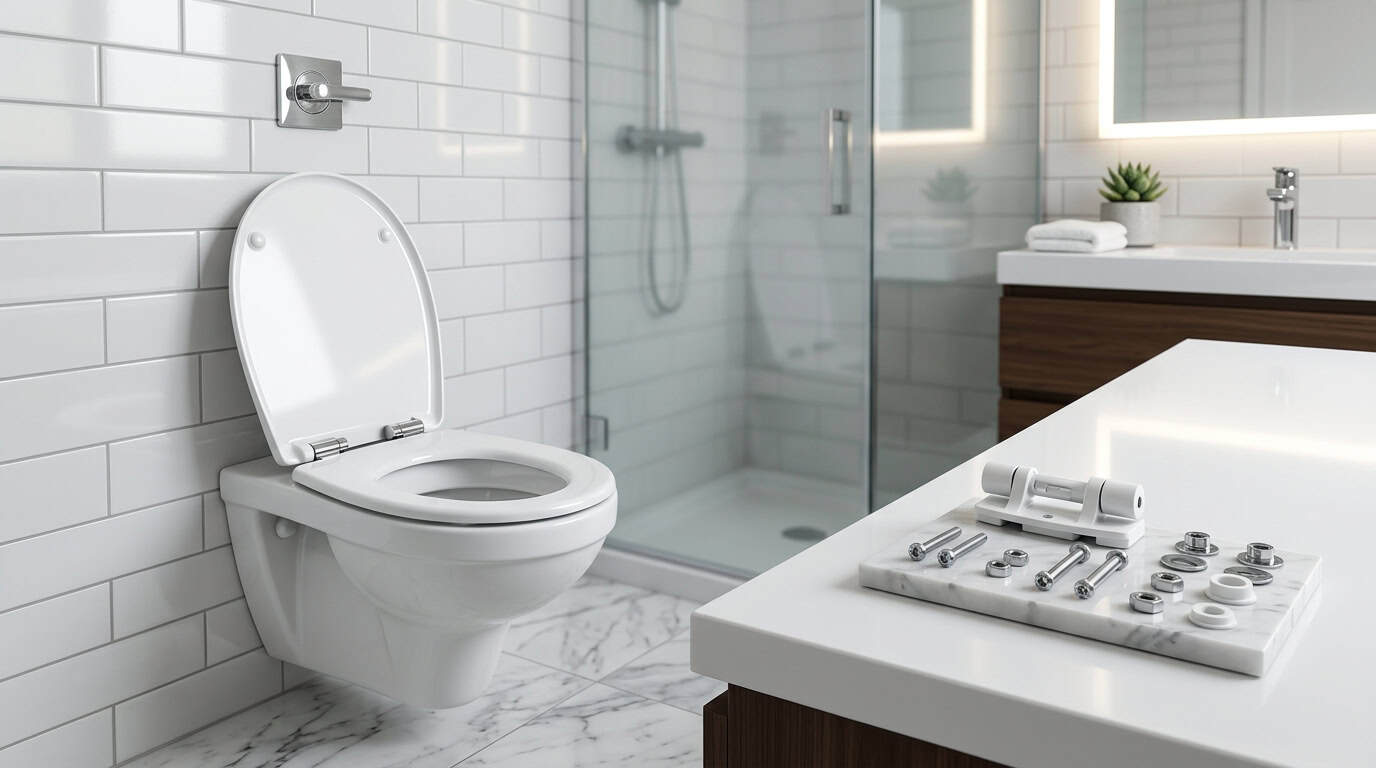
Are Plastic Toilet Seats Cheap? 2026 Price Guide & Quality Analysis
Table of Contents
- 2026 Price Guide: Plastic Toilet Seats in India
- Quality Analysis: Are Cheap Plastic Seats Worth It?
- Durability Factors That Affect Toilet Seat Longevity
- Brand Compatibility and Hinge Requirements
- Maintenance Tips for Plastic Toilet Seats
- Common Problems with Budget Plastic Seats
- How to Buy the Right Spare Part Online
- Frequently Asked Questions
Your toilet seat in your Vadodara apartment has developed a crack along the edge, and the hinges are making that annoying creaking sound every time someone sits down. Before rushing to replace the entire unit, you’re wondering: are plastic toilet seats cheap enough to justify a quick replacement, or should you invest in something more durable? The answer depends on understanding the quality differences, price tiers, and long-term value of different plastic seat options available in the Indian market. Whether you need basic toilet seat cover hinges or a complete seat replacement, knowing what makes some plastic seats last years while others crack within months can save you both money and frustration.
2026 Price Guide: Plastic Toilet Seats in India
The plastic toilet seat market in India spans three distinct price categories, each offering different quality levels and durability expectations. Understanding these tiers helps homeowners make informed decisions based on their budget and usage requirements.
| Category | Price Range (INR) | Brand Examples | Installation Cost | Total Cost |
|---|---|---|---|---|
| Budget Plastic | ₹299 – ₹599 | Local unbranded, Basic variants | ₹150 – ₹250 | ₹449 – ₹849 |
| Standard Plastic | ₹600 – ₹1,299 | Essco, ARK, Johnson, LnK | ₹200 – ₹300 | ₹800 – ₹1,599 |
| Premium Plastic | ₹1,300 – ₹2,799 | Jaquar, Cera, Parryware, Hindware | ₹250 – ₹400 | ₹1,550 – ₹3,199 |
The budget category represents the most basic plastic seats available in the Indian market. These typically use thin polypropylene or basic ABS plastic construction. While they fulfill the primary function, they often lack UV stabilizers and reinforcement features that prevent cracking under regular use.
- Budget seats often come without proper hinge mechanisms
- Installation hardware may require separate purchase
- Limited warranty coverage (3-6 months typically)
- Higher replacement frequency increases long-term costs
Standard category seats offer improved plastic formulations with better impact resistance. These products typically include soft-close mechanisms and more durable hinge systems. The plastic used in this tier often includes UV stabilizers to prevent yellowing and brittleness over time.
Plumber’s Insight: Standard plastic seats with quality hinges last 3-5 years in typical Indian households, making them more cost-effective than budget options that need replacement every 12-18 months.
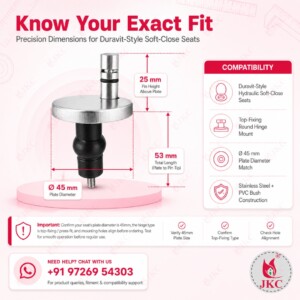
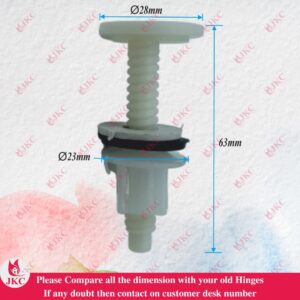
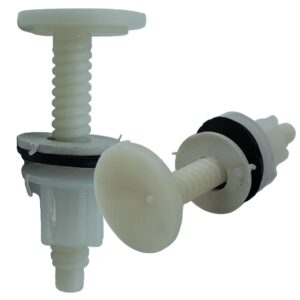
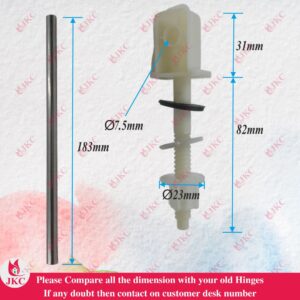
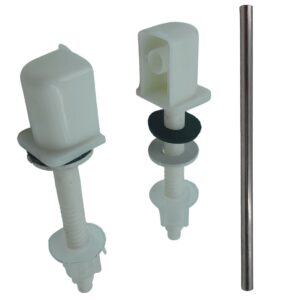
Shop These Parts on JKC Emart:
Quality Analysis: Are Cheap Plastic Seats Worth It?
The relationship between price and quality in plastic toilet seats isn’t always straightforward, but several key factors determine whether a cheaper option represents good value or a false economy. Material composition plays the most significant role in determining durability and user experience.
Budget plastic seats typically use recycled or lower-grade polypropylene that becomes brittle over time. The manufacturing process often involves thinner wall sections to reduce material costs. This approach creates weak points that develop into cracks, especially around mounting holes and high-stress areas.
- Thickness variations: Budget seats often measure 2-3mm thick vs 4-6mm in premium options
- Reinforcement differences: Cheap seats lack internal ribbing and stress distribution features
- Surface finish quality: Lower-grade plastic shows scratches and stains more readily
- Hardware quality: Mounting bolts and hinges use basic metals prone to corrosion
The manufacturing tolerances in budget plastic seats often result in poor fit with existing toilet bowls. This creates gaps that allow water infiltration, leading to hygiene issues and accelerated wear of mounting hardware. Premium seats maintain tighter tolerances and include gaskets to prevent these problems.
Chemical resistance represents another critical difference between price tiers. Cheap plastic seats may discolor or degrade when exposed to common bathroom cleaning products. Premium formulations include stabilizers that maintain appearance and structural integrity despite regular exposure to bleach-based cleaners.
Cost Analysis: A ₹400 budget seat replaced twice yearly costs ₹800 annually, while a ₹1,200 standard seat lasting 4 years costs ₹300 annually – making quality seats 60% more economical long-term.
User comfort factors also vary significantly across price ranges. Budget seats often lack ergonomic contouring and may have sharp edges or uncomfortable surface textures. The plastic formulation in cheaper seats can become uncomfortably cold in winter months, while premium seats often include thermal properties for improved comfort.
Durability Factors That Affect Toilet Seat Longevity
Several environmental and usage factors determine how long any plastic toilet seat will last, regardless of its initial price point. Understanding these factors helps homeowners choose appropriate quality levels based on their specific circumstances.
Hard water impact affects plastic toilet seats differently than ceramic fixtures, but mineral deposits can still cause problems. Calcium and magnesium buildup around hinge mechanisms can cause binding and premature wear. The plastic surface itself may develop a rough texture that harbors bacteria and becomes difficult to clean effectively.
Usage frequency significantly impacts seat lifespan across all price categories. A guest bathroom seat may last 8-10 years even in budget quality, while a master bathroom seat serving a family of four experiences much higher stress loads. When you need reliable compatible hinge replacements for major brands, quality becomes even more critical.
- Weight capacity: Standard seats handle 120-150kg, premium seats support 180-200kg
- Temperature cycling: Indian climate variations cause expansion/contraction stress
- UV exposure: Bathroom windows can cause plastic degradation over time
- Chemical exposure: Cleaning product frequency and concentration affects plastic integrity
The hinge mechanism represents the most common failure point in plastic toilet seats. Budget seats often use basic plastic hinges that wear quickly under repeated opening and closing cycles. Standard and premium seats typically feature metal hinge pins with plastic bushings, providing much better longevity.
Installation quality also affects durability regardless of seat price. Over-tightening mounting bolts can create stress concentrations that lead to cracking. Under-tightening allows movement that causes wear and eventual loosening. Proper installation techniques become more critical with budget seats due to their reduced tolerance for installation errors.
Maintenance Tip: Monthly hinge lubrication with silicone spray extends seat life by 40-60%, particularly important for budget plastic seats with basic hinge mechanisms.
Environmental factors specific to Indian homes include high humidity levels that can promote bacterial growth in scratched plastic surfaces. Monsoon seasons create temperature and humidity fluctuations that stress plastic materials. Air conditioning usage patterns also create thermal cycling that affects plastic stability over time.
Browse Compatible Parts:
Brand Compatibility and Hinge Requirements
Toilet seat compatibility extends beyond basic size measurements to include specific hinge configurations, mounting hole spacing, and attachment mechanisms that vary between major Indian sanitaryware brands. Understanding these differences prevents costly purchasing mistakes and ensures proper fit.
Jaquar toilet seats typically require 165-175mm mounting hole spacing with specific hinge pin diameters. The brand uses proprietary soft-close mechanisms in many models that require compatible replacement parts. Budget plastic seats rarely offer the precise tolerances needed for proper Jaquar compatibility.
Cera and Parryware models often share similar mounting specifications but differ in bowl curvature and seat contour requirements. Standard plastic seats in the ₹800-1,200 range usually provide adequate compatibility, while budget options may create gaps or instability issues.
- Hindware: Requires 140-150mm hole spacing, often with offset mounting positions
- Kohler: International standard 5.5″ spacing, premium plastic seats recommended
- American Standard: Elongated bowls need specific seat profiles for proper fit
- ESS ESS: Compact designs require shorter seat lengths, standard plastic adequate
The hinge mechanism compatibility becomes critical when replacing seats on premium toilet brands. Budget plastic seats often include basic hinges that don’t align properly with branded toilet mounting systems. This misalignment creates stress points that accelerate wear and may damage the toilet bowl mounting points.
Soft-close functionality represents a key compatibility consideration that affects both comfort and longevity. Premium toilet brands increasingly include soft-close expectations in their design philosophy. Budget plastic seats rarely offer genuine soft-close mechanisms, instead using basic friction dampers that fail quickly.
Compatibility Warning: Using incompatible budget seats on premium toilets can void manufacturer warranties and damage expensive ceramic fixtures – always verify specifications before purchase.
Mounting hardware compatibility varies significantly between price tiers. Budget seats often include basic plastic bolts that may not thread properly into existing mounting nuts. Premium plastic seats typically include metal hardware with multiple size options to ensure proper fit across different brands.
The seat shape profile must match the toilet bowl contour for proper function and appearance. Round bowls require different seat profiles than elongated models. Budget plastic seats often use generic profiles that create gaps or overhangs with specific brand models.
Maintenance Tips for Plastic Toilet Seats
Proper maintenance techniques can significantly extend the lifespan of plastic toilet seats across all price categories, making even budget options more cost-effective through improved durability. The key lies in understanding plastic-specific care requirements that differ from ceramic fixture maintenance.
Cleaning product selection critically impacts plastic seat longevity. Harsh abrasives and strong acids can cause micro-scratches that harbor bacteria and create weak points for crack initiation. Budget plastic seats show damage from inappropriate cleaners much faster than premium formulations with better chemical resistance.
- Recommended cleaners: Mild soap solutions, diluted bleach (1:10 ratio), enzyme-based cleaners
- Avoid: Acetone, strong acids, abrasive powders, steel wool, harsh scrubbing pads
- Frequency: Daily light cleaning, weekly deep cleaning, monthly hinge maintenance
- Technique: Soft cloth application, thorough rinsing, complete drying
Hinge maintenance represents the most critical aspect of toilet seat care, particularly for budget plastic seats with basic mechanisms. Regular lubrication prevents binding and reduces stress on plastic hinge components. Silicone-based lubricants work best as they don’t attract dust or degrade plastic materials.
The cleaning technique affects plastic surface integrity over time. Circular scrubbing motions can create spiral scratch patterns that weaken the plastic structure. Linear cleaning motions parallel to the seat edges minimize stress concentration and preserve surface smoothness.
Professional Tip: Apply car wax to plastic toilet seats quarterly to create a protective barrier against stains and chemical damage – this technique works particularly well for budget seats lacking built-in protection.
Temperature management plays a crucial role in plastic seat maintenance, especially in Indian climates with significant seasonal variations. Rapid temperature changes from air conditioning or hot water exposure can cause thermal stress in budget plastic formulations.
Mounting bolt maintenance prevents the most common cause of premature seat replacement. Monthly checks ensure proper tightness without over-compression that can crack plastic mounting points. Budget seats require more frequent monitoring due to their reduced tolerance for mounting stress.
Water quality considerations become important in areas with hard water or high mineral content. Regular mineral deposit removal prevents buildup that can bind hinges and create cleaning challenges. The frequency of this maintenance depends on local water conditions and seat quality level.
Common Problems with Budget Plastic Seats
Budget plastic toilet seats exhibit predictable failure patterns that homeowners can anticipate and sometimes prevent through proper selection and maintenance practices. Understanding these common issues helps in making informed purchasing decisions and planning replacement timing.
Cracking around mounting holes represents the most frequent failure mode in budget plastic seats. The thin plastic and lack of reinforcement create stress concentrations when mounting bolts are tightened. This problem typically appears within 6-12 months of installation, especially in households with children who may slam the seat.
- Hinge failure: Basic plastic hinges wear quickly, causing wobbling and eventual breakage
- Surface scratching: Soft plastic shows damage from cleaning and normal use
- Color fading: UV exposure and chemical cleaning cause yellowing or discoloration
- Warping: Temperature changes and poor plastic formulation cause shape distortion
Staining issues plague budget plastic seats due to their porous surface structure and lack of protective coatings. Common stains include rust marks from metal hardware, mineral deposits from hard water, and organic stains that penetrate the plastic surface rather than remaining on top.
The mounting hardware in budget seats often uses basic metals that corrode quickly in bathroom environments. This corrosion can stain both the seat and the toilet bowl, creating expensive cleaning challenges that may exceed the seat’s original cost.
Warning Signs: If your budget plastic seat shows multiple small cracks, significant discoloration, or loose hinges within the first year, replacement is more cost-effective than attempted repairs.
Hygiene problems develop when budget plastic seats develop micro-cracks that harbor bacteria and resist cleaning. The smooth appearance may hide surface irregularities that accumulate contaminants over time. This issue becomes particularly problematic in households with health concerns or young children.
Compatibility issues with toilet bowl shapes cause ongoing problems when budget seats don’t match properly. Gaps allow water infiltration and cleaning difficulties that worsen over time. The generic profiles used in budget seats rarely provide optimal fit with specific toilet brands.
Size stability problems affect budget plastic seats as they age and experience thermal cycling. The seats may expand or contract differently than their mounting points, creating stress and eventual failure. This problem is less common in premium seats with better material formulations.
How to Buy the Right Spare Part Online
Purchasing plastic toilet seats online requires careful attention to specifications and compatibility details that aren’t always obvious from product photos. Success depends on accurate measurement, brand identification, and understanding quality indicators that predict long-term satisfaction.
Measurement requirements go beyond simple length and width dimensions to include mounting hole spacing, hinge pin diameter, and seat thickness. Most Indian toilet bowls follow standard dimensions, but variations exist that can cause compatibility problems with generic seats.
The toilet bowl shape identification process requires determining whether you have a round or elongated bowl, as this affects seat profile requirements. Round bowls typically measure 16-17 inches from mounting holes to front edge, while elongated bowls measure 18-19 inches. This measurement is critical for proper fit and appearance.
- Mounting hole spacing: Measure center-to-center distance between rear mounting holes
- Bowl width: Measure widest point to ensure seat overhang is appropriate
- Existing hinge type: Identify current mechanism for compatibility requirements
- Brand identification: Check toilet manufacturer markings for specific compatibility needs
Quality indicators in online listings help distinguish between price categories and predict durability. Look for specific plastic types (ABS, polypropylene, thermoplastic), wall thickness specifications, and UV stabilizer mentions. Budget seats rarely provide detailed material specifications.
Product reviews and ratings provide valuable insights into real-world performance, particularly for budget plastic seats where quality can vary significantly between batches. Pay attention to reviews mentioning installation difficulties, premature cracking, or compatibility issues with specific toilet brands.
When shopping for replacement parts like hinges or mounting hardware, ensure you can order genuine compatible toilet seat cover hinges from reputable suppliers who understand brand-specific requirements and quality standards.
Online Shopping Tip: Always verify return policies before purchasing plastic toilet seats online, as compatibility issues may not become apparent until installation attempts reveal sizing or mounting problems.
Seller reputation becomes particularly important when purchasing budget plastic seats, as quality control varies widely among manufacturers. Established sellers with good customer service can resolve compatibility issues more effectively than unknown vendors offering extremely low prices.
Shipping considerations affect plastic toilet seats due to their size and potential for damage during transport. Verify that packaging is adequate to prevent cracking during delivery, especially for budget seats with thinner plastic construction that may be more vulnerable to shipping damage.
Ready to Order? Here Are the Top Picks:
Frequently Asked Questions
How long do cheap plastic toilet seats typically last in Indian homes?
Budget plastic toilet seats in Indian households typically last 12-18 months with regular use, depending on family size and maintenance practices. The high humidity levels during monsoon seasons, temperature fluctuations from air conditioning, and frequent cleaning with strong disinfectants common in Indian homes accelerate wear compared to temperate climates. Quality maintenance can extend this to 2-3 years, but the thin plastic construction and basic hardware in budget seats eventually succumb to stress cracking around mounting points. Families with children or elderly members who may put additional stress on seats should expect shorter lifespans.
Are ₹300-500 plastic toilet seats safe for daily family use?
Ultra-budget plastic toilet seats in the ₹300-500 range can be safe for daily use but come with significant limitations in durability and comfort. These seats typically support 80-120kg weight capacity, adequate for most users, but lack reinforcement features that prevent stress cracking over time. The plastic formulation often contains fewer UV stabilizers and impact modifiers, making them more prone to brittleness and discoloration. While they meet basic safety requirements, the mounting hardware quality is often poor, potentially leading to sudden failures that could cause injury. For families with young children or elderly members, investing in standard quality seats provides better safety margins.
Can I replace just the hinges on a cheap plastic toilet seat?
Replacing hinges on budget plastic toilet seats is often not cost-effective or technically feasible due to the integrated design approach used in low-cost manufacturing. Most budget seats use plastic hinges that are molded or permanently attached to the seat body, making individual hinge replacement impossible without damaging the seat structure. Even when hinges appear removable, the mounting points in cheap plastic are usually too weak to support new hardware installation. The cost of compatible replacement hinges often approaches 50-70% of a new budget seat price, making complete replacement more economical. Premium seats typically feature replaceable hinge mechanisms that justify repair investments.
What’s the difference between ₹400 and ₹1200 plastic toilet seats?
The price difference between ₹400 and ₹1200 plastic toilet seats reflects significant variations in material quality, manufacturing precision, and durability features. Budget ₹400 seats use thin polypropylene (2-3mm) with basic molding, while ₹1200 seats typically use thicker ABS plastic (4-5mm) with reinforcement ribs and UV stabilizers. The more expensive seats include metal hinge pins with plastic bushings versus all-plastic hinges in budget models, providing much better longevity. Manufacturing tolerances are tighter in standard seats, ensuring better fit with toilet bowls and reducing stress concentrations. Additional features like soft-close mechanisms, ergonomic contouring, and stain-resistant surface treatments justify the higher price through improved user experience and reduced replacement frequency.
Do cheap plastic toilet seats work with branded toilets like Jaquar or Cera?
Budget plastic toilet seats can physically fit most branded toilets including Jaquar and Cera, but compatibility issues often arise with mounting precision, seat profiles, and long-term durability. The loose manufacturing tolerances in cheap seats may create gaps or misalignment with premium toilet bowl contours designed for specific seat profiles. Mounting hole spacing usually matches standard dimensions, but the hardware quality in budget seats may not provide secure attachment to branded toilet mounting systems. The plastic thickness and flexibility differences can cause stress on premium toilet mounting points not designed for generic seat variations. While functional compatibility exists, the aesthetic and durability compromises often make standard or premium seats more appropriate for branded toilet installations.
Conclusion
The question of whether plastic toilet seats are cheap ultimately depends on your definition of value and long-term cost considerations. While budget plastic seats starting at ₹299 offer immediate affordability, their typical 12-18 month lifespan makes them more expensive over time compared to standard quality seats that last 3-5 years. The key lies in matching your purchase to your specific needs, usage patterns, and quality expectations rather than simply choosing the lowest upfront cost.
For guest bathrooms or rental properties, budget plastic seats can provide adequate functionality at minimal investment. However, for family bathrooms with regular use, investing in standard or premium plastic seats delivers better value through improved durability, comfort, and compatibility with existing fixtures. The maintenance requirements, replacement frequency, and potential compatibility issues with branded toilets all factor into the true cost equation.
JKC Emart understands these considerations and stocks genuine quality toilet seat components and replacement parts for all major Indian brands. Whether you need budget-friendly options or premium compatibility parts, their extensive inventory ensures you can find the right solution for your specific requirements. With pan-India free shipping above ₹499, 7-day easy returns, and availability on Amazon India, getting the right toilet seat parts has never been more convenient. Their expert customer support team can help you navigate compatibility requirements and quality considerations to make the best choice for your home’s needs. Browse All Spare Parts at JKC Emart
About author


Add comment
You must be logged in to post a comment.