
Toilet Seat Fittings Names & Parts Guide 2026 | JKC Emart
Table of Contents
- Toilet Seat Fittings Price Guide 2026
- Complete Toilet Seat Fittings Names List
- How to Identify Toilet Seat Fitting Types
- Brand Compatibility Guide for Indian Sanitaryware
- Common Mistakes When Replacing Toilet Seat Fittings
- Signs You Need to Replace Your Toilet Seat Fittings
- How to Buy the Right Spare Part Online
- Frequently Asked Questions
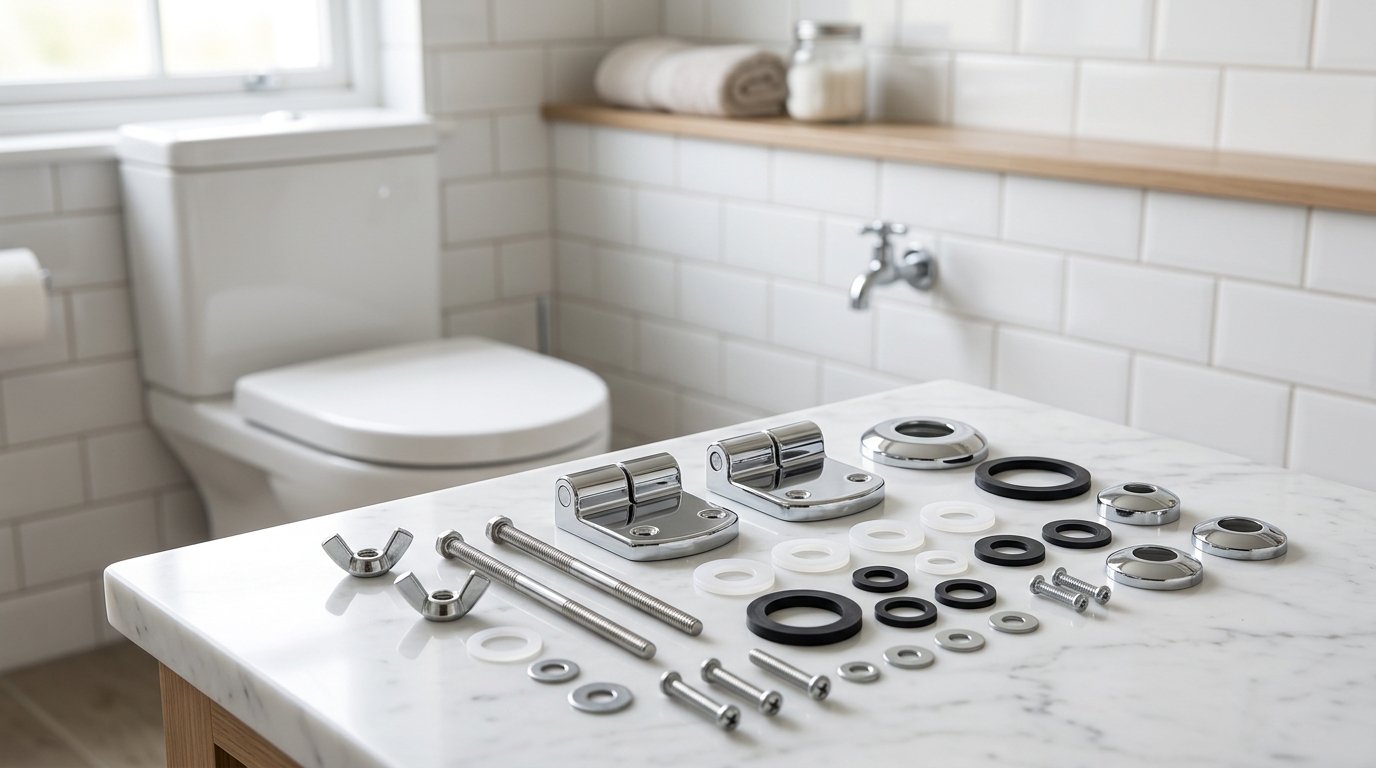
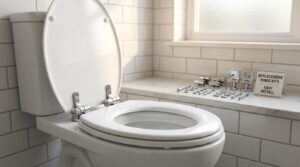
When Mrs. Sharma from Koramangala, Bangalore called her plumber last month about a wobbly toilet seat, she was shocked to learn the entire seat needed replacement for ₹3,200. The real culprit was just a worn-out hinge pin worth ₹45. Understanding **toilet seat fittings names** and their functions can save Indian homeowners thousands in unnecessary replacements and plumber visits. From buffer washers to mounting bolts, each component has a specific name and purpose that every homeowner should know. Whether you’re dealing with loose hinges, cracked buffers, or squeaky pivots, knowing the correct toilet seat cover hinges and fittings terminology helps you order the exact spare part needed for a quick DIY fix.
Toilet Seat Fittings Price Guide 2026
The toilet seat fittings market in India has seen steady price increases through 2026, with costs varying significantly based on brand tier and material quality. Understanding current pricing helps homeowners budget effectively for repairs and avoid overpaying for premium parts when standard quality suffices.
Here’s the comprehensive pricing breakdown for toilet seat fittings across different quality tiers:
| Fitting Type | Generic/Local (₹) | Standard Brands (₹) | Premium Brands (₹) | Installation Cost (₹) |
|---|---|---|---|---|
| Toilet Seat Hinges (Pair) | ₹35-60 | ₹85-150 | ₹180-320 | ₹150-200 |
| Hinge Pins/Pivot Rods | ₹15-25 | ₹40-65 | ₹75-120 | ₹100-150 |
| Mounting Bolts Set | ₹20-35 | ₹45-80 | ₹90-160 | ₹120-180 |
| Buffer Washers (Set of 4) | ₹12-20 | ₹25-45 | ₹50-85 | ₹80-120 |
| Complete Hinge Assembly | ₹80-140 | ₹200-350 | ₹400-650 | ₹200-300 |
**Generic/Local brands** include unbranded parts from local hardware stores and basic quality imports. **Standard brands** encompass Essco, ARK, LnK, and LMC products available across Indian markets. **Premium brands** feature Jaquar, Cera, Parryware, Hindware, and imported options like Grohe or Kohler fittings.
The installation costs reflect current plumber rates in major Indian cities as of 2026. DIY installation can eliminate these charges entirely for homeowners comfortable with basic tools.
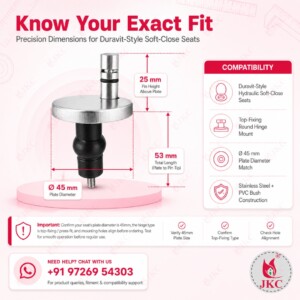
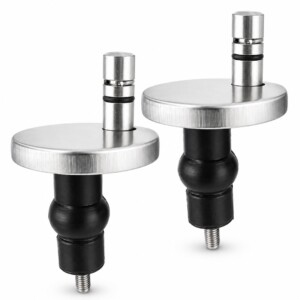
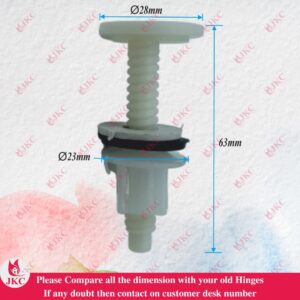
Shop These Parts on JKC Emart:
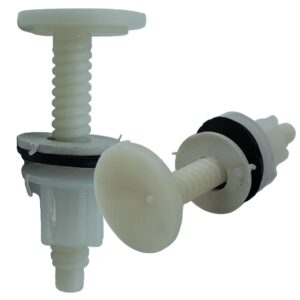
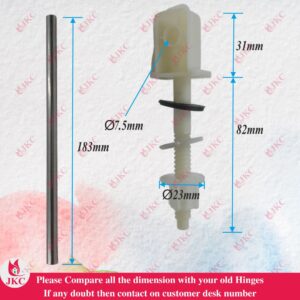
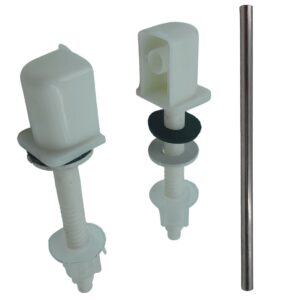
Complete Toilet Seat Fittings Names List
Every toilet seat assembly contains multiple components, each with specific names used by manufacturers, plumbers, and spare parts retailers. Knowing these exact terms ensures you order the correct replacement part without confusion or returns.
**Primary Structural Components:**
- Toilet Seat Hinges: The main pivot mechanism allowing seat movement
- Hinge Pins/Pivot Rods: Metal rods that create the rotation axis
- Mounting Bolts: Threaded fasteners securing hinges to toilet bowl
- Wing Nuts: Hand-tightened nuts for easy removal and adjustment
**Support and Cushioning Parts:**
- Buffer Washers: Rubber or plastic discs preventing direct contact
- Bumper Pads: Soft stops that cushion seat closure
- Spacer Washers: Thin discs maintaining proper gap distances
- Friction Washers: Components controlling hinge tension
**Specialized Hardware:**
- Hinge Bushings: Sleeve bearings reducing wear on pivot points
- Retaining Clips: Spring clips holding pins in position
- Adjustment Screws: Fine-tuning mechanisms for seat alignment
- Lock Washers: Anti-loosening washers preventing bolt rotation
Pro Tip: When ordering spare parts, always mention the toilet brand and model number if available. Jaquar hinges differ significantly from Parryware fittings, and using incorrect parts can damage your toilet seat assembly.
The terminology remains consistent across most Indian sanitaryware brands, though some manufacturers use proprietary names for specialized components. Understanding these standard names helps communicate effectively with suppliers and ensures compatibility when mixing parts from different sources.
How to Identify Toilet Seat Fitting Types
Identifying the correct toilet seat fitting type requires examining several key characteristics that determine compatibility and replacement options. Indian sanitaryware brands use different mounting systems and hinge designs, making proper identification crucial for successful repairs.
**Hinge Mounting Style Identification:**
- Top-Mount Hinges: Visible from above, bolts accessible from toilet top
- Bottom-Mount Hinges: Hidden underneath, requiring access from below
- Quick-Release Hinges: Feature push-button or lever mechanisms
- Fixed Hinges: Permanent mounting requiring tools for removal
**Measurement Points for Accurate Sizing:**
The distance between hinge mounting holes typically ranges from 140mm to 180mm for Indian toilets. Measure center-to-center distance between bolt holes for precise matching. Bolt diameter usually measures 6mm or 8mm, with thread pitch varying between brands.
**Material and Finish Recognition:**
- Plastic Hinges: Lightweight, budget-friendly, prone to cracking
- Zinc Alloy: Mid-range option with decent corrosion resistance
- Stainless Steel: Premium choice for longevity and hygiene
- Brass/Chrome: High-end fittings matching premium sanitaryware
Plumber’s Insight: Take photos of your existing fittings before removal. The assembly sequence matters, and having reference images prevents confusion during reinstallation, especially with multi-piece hinge systems.
Brand-specific identification marks often appear on hinge bodies or mounting hardware. Jaquar uses distinctive logos, while Cera fittings feature model numbers stamped into metal components. These markings help ensure you purchase genuine replacement parts rather than generic alternatives that may not fit properly.
Browse authentic brand-specific toilet seat fittings to find exact matches for your sanitaryware model and avoid compatibility issues.
Browse Compatible Parts:
Brand Compatibility Guide for Indian Sanitaryware
Understanding brand compatibility prevents costly mistakes when ordering toilet seat fittings online. While some components are universal, many Indian sanitaryware manufacturers use proprietary mounting systems and specialized hardware that requires exact matches.
**Premium Brand Specific Requirements:**
- Jaquar: Uses 6mm bolts with 155mm center distance, chrome-finished hardware
- Cera: Features 8mm mounting bolts, 165mm spacing, anti-bacterial coatings
- Parryware: Employs quick-release mechanisms, 150mm centers, plastic bushings
- Hindware: Utilizes stainless steel pins, 160mm spacing, soft-close dampeners
**Standard Brand Compatibility:**
Essco, ARK, and LMC products typically use standardized mounting patterns that interchange easily. These brands focus on universal compatibility, making them ideal for older toilets or mixed-brand installations where exact matching proves difficult.
**Cross-Brand Compatibility Matrix:**
| Your Toilet Brand | Compatible Hinge Brands | Special Requirements |
|---|---|---|
| Jaquar | Jaquar, Grohe, Kohler | Chrome finish, premium materials |
| Cera | Cera, Parryware, ARK | Anti-bacterial coating preferred |
| Hindware | Hindware, ESS ESS, LnK | Soft-close compatibility |
| Local/Generic | Any standard brand | Universal mounting patterns |
**International Brand Considerations:**
Imported toilets from Duravit, Roca, or American Standard often require specialized European or American standard fittings. These parts cost significantly more but ensure proper fit and warranty coverage.
Important Note: Mixing premium and budget components can void warranties. If your toilet is under warranty, always use manufacturer-approved spare parts to maintain coverage and ensure optimal performance.
Common Mistakes When Replacing Toilet Seat Fittings
Indian homeowners frequently make preventable errors when replacing toilet seat fittings, leading to damage, poor performance, or repeated failures. Understanding these common pitfalls helps ensure successful DIY repairs and long-lasting results.
**Mistake #1: Incorrect Bolt Length Selection**
Many homeowners choose bolts that are too long or too short for their toilet bowl thickness. Excessively long bolts create instability and can crack porcelain, while short bolts fail to secure properly. Always measure bowl thickness at mounting points before ordering replacement hardware.
**Mistake #2: Over-Tightening Mounting Hardware**
Enthusiastic DIYers often over-tighten wing nuts and bolts, causing stress cracks in toilet bowls or breaking plastic components. Hand-tight plus one-quarter turn provides adequate security without risking damage to ceramic surfaces.
**Mistake #3: Ignoring Hinge Orientation**
- Installing left and right hinges in wrong positions
- Mounting hinges backward, preventing proper seat operation
- Failing to align pivot points correctly
- Mixing different hinge types on single installation
**Mistake #4: Skipping Buffer Washer Replacement**
Old buffer washers compress and harden over time, but many homeowners reuse them during hinge replacement. New hinges with old washers create uneven pressure distribution and premature wear. Always replace all rubber and plastic components simultaneously.
Plumber’s Warning: Never use metal washers directly against porcelain surfaces. Always maintain rubber or plastic barriers to prevent chipping and cracking of your toilet bowl during normal use.
**Additional Common Errors:**
- Forcing incompatible parts to fit rather than ordering correct components
- Forgetting to turn off water supply before starting work
- Losing small parts like clips and bushings during disassembly
- Failing to clean mounting surfaces before installing new fittings
Taking time to research proper procedures and using appropriate tools prevents these mistakes and ensures professional-quality results from DIY toilet seat fitting replacements.
Signs You Need to Replace Your Toilet Seat Fittings
Recognizing early warning signs of toilet seat fitting failure helps homeowners address problems before they worsen or cause secondary damage. Regular inspection and prompt replacement of worn components maintains hygiene standards and prevents costly repairs.
**Mechanical Failure Indicators:**
- Excessive Wobbling: Seat moves laterally when pressure is applied
- Loose Hinges: Visible gap between hinge and toilet bowl
- Difficult Operation: Seat requires force to raise or lower
- Misalignment: Seat doesn’t center properly on bowl rim
**Audible Warning Signs:**
Squeaking, grinding, or clicking sounds during seat operation indicate worn bushings or damaged pivot points. These noises worsen over time and suggest immediate attention is needed to prevent complete hinge failure.
**Visual Deterioration Symptoms:**
- Rust stains around metal components
- Cracks in plastic hinge bodies or mounting points
- Compressed or missing buffer washers
- Discoloration or corrosion on hardware surfaces
**Performance-Based Indicators:**
- Slow-Close Malfunction: Soft-close mechanisms slam or stick
- Quick-Release Failure: Buttons or levers don’t function properly
- Uneven Closure: One side drops faster than the other
- Instability Issues: Seat shifts during use
Hygiene Concern: Loose fittings create gaps where bacteria and moisture accumulate, making thorough cleaning impossible. Replace worn components immediately to maintain bathroom sanitation standards.
**Timeline for Replacement:**
Standard plastic fittings typically last 3-5 years with regular use, while premium metal components can function effectively for 8-12 years. Hard water areas may require more frequent replacement due to mineral deposit buildup affecting moving parts.
Early intervention prevents secondary damage to toilet bowls and eliminates the inconvenience of complete seat system failure during use.
How to Buy the Right Spare Part Online
Purchasing toilet seat fittings online requires careful preparation and attention to detail to ensure compatibility and avoid returns. Following systematic steps helps Indian homeowners confidently order the correct components without professional assistance.
**Step 1: Document Your Current Setup**
Take clear photographs of existing fittings from multiple angles, including close-ups of brand markings, model numbers, and mounting hardware. Measure critical dimensions like bolt spacing, thread diameter, and hinge width using a ruler or caliper for accuracy.
**Step 2: Identify Brand and Model Information**
Check for manufacturer stamps, stickers, or embossed markings on toilet bowl, seat, or existing hinges. Note down complete model numbers and any part numbers visible on current components. This information ensures exact compatibility when browsing online catalogs.
**Step 3: Research Compatible Alternatives**
- Compare specifications across multiple brands for universal options
- Read customer reviews focusing on fit and installation experiences
- Verify warranty coverage and return policies before purchasing
- Check availability of installation hardware and additional components
**Step 4: Verify Seller Authenticity**
Choose established retailers like JKC Emart that specialize in genuine sanitaryware spare parts. Avoid suspiciously low prices that often indicate counterfeit or substandard components that fail prematurely.
**Step 5: Plan Complete Replacement Strategy**
- Order all related components simultaneously to ensure matching finishes
- Include spare washers and small hardware prone to loss
- Consider upgrading to premium materials for long-term value
- Factor in shipping time and potential return periods
Online Shopping Tip: Always order from suppliers offering detailed technical specifications and customer support. Vague product descriptions often indicate sellers unfamiliar with compatibility requirements.
**Step 6: Prepare for Installation**
Download installation manuals or watch instructional videos before parts arrive. Gather necessary tools and clear workspace to ensure smooth installation process without delays or complications.
Order genuine toilet seat fittings with detailed specifications and expert customer support to guarantee perfect compatibility with your sanitaryware.
Ready to Order? Here Are the Top Picks:
Frequently Asked Questions
**Q: What are the most common toilet seat fitting names I should know when ordering spare parts?**
The essential toilet seat fitting names every homeowner should know include toilet seat hinges (the main pivot mechanism), hinge pins or pivot rods (metal rods creating rotation axis), mounting bolts (threaded fasteners), wing nuts (hand-tightened nuts), buffer washers (rubber cushioning discs), and bumper pads (soft closure stops). Additional components include spacer washers, friction washers, hinge bushings, retaining clips, and adjustment screws. Knowing these specific terms helps you communicate effectively with suppliers and ensures you order the correct replacement parts without confusion or returns.
**Q: How do I identify if my toilet seat fittings are compatible with different Indian sanitaryware brands?**
Brand compatibility depends on mounting hole spacing, bolt diameter, and hinge design specifications. Premium brands like Jaquar use 6mm bolts with 155mm center distance, while Cera features 8mm bolts with 165mm spacing. Measure the center-to-center distance between your mounting holes and bolt diameter to determine compatibility. Standard brands like Essco, ARK, and LMC typically use universal mounting patterns that interchange easily. Check for manufacturer markings on existing components and compare specifications when ordering online. Cross-brand compatibility exists but verify measurements to avoid fitting issues.
**Q: What’s the price difference between generic and branded toilet seat fittings in 2026?**
Generic toilet seat hinges cost ₹35-60 per pair, while standard brands like Essco and ARK range from ₹85-150, and premium brands like Jaquar and Cera cost ₹180-320 per pair. Complete hinge assemblies range from ₹80-140 for generic options up to ₹400-650 for premium brands. Installation costs add ₹150-300 depending on complexity. While generic parts offer immediate savings, premium components provide better durability, corrosion resistance, and warranty coverage. Consider long-term value when choosing between price tiers, especially in hard water areas where mineral deposits accelerate wear.
**Q: When should I replace individual toilet seat fittings versus the complete seat assembly?**
Replace individual fittings when hinges wobble, pins wear out, or mounting bolts loosen, but the seat itself remains structurally sound. Individual component replacement costs ₹50-200 versus ₹800-3000 for complete seat replacement. However, if multiple components fail simultaneously, the seat shows cracks, or hygiene concerns arise from deep staining, complete replacement proves more economical. Consider the seat’s age, overall condition, and total repair costs when deciding. Fittings older than 5 years often benefit from complete replacement to ensure all components match and function optimally together.
**Q: How can I prevent common mistakes when installing toilet seat fittings myself?**
Avoid over-tightening mounting hardware, which can crack porcelain or break plastic components – hand-tight plus one-quarter turn provides adequate security. Always replace all rubber washers and bushings simultaneously, even if they appear functional, to ensure even pressure distribution. Take photographs before disassembly to reference proper assembly sequence and component orientation. Measure bolt length requirements carefully, as incorrect lengths cause instability or damage. Use appropriate tools and never force incompatible parts to fit. Clean mounting surfaces thoroughly before installation and verify hinge orientation matches your toilet’s design before final tightening.
Conclusion
Understanding toilet seat fittings names and their specific functions empowers Indian homeowners to tackle repairs confidently and avoid unnecessary replacement costs. From basic hinge pins to specialized soft-close mechanisms, each component plays a crucial role in your toilet seat’s daily operation and longevity. The 2026 market offers excellent options across all price ranges, with genuine spare parts available for every major Indian sanitaryware brand including Jaquar, Cera, Parryware, and Hindware.
Whether you’re dealing with a wobbly seat in Mumbai or squeaky hinges in Chennai, knowing the correct terminology helps you order precisely what you need. JKC Emart specializes in authentic toilet seat fittings with detailed specifications, expert guidance, and comprehensive compatibility information for all major Indian brands. With pan-India free shipping above ₹499, genuine quality assurance, and convenient availability on Amazon India, getting the right spare parts has never been easier.
Don’t let a simple fitting failure force you into expensive full replacements. Armed with the knowledge from this guide, you can maintain your toilet seat assembly efficiently and economically for years to come. Browse All Spare Parts at JKC Emart

About author


Add comment
You must be logged in to post a comment.