
How to Adjust Toilet Seat Hinges 2026 – Complete DIY Guide
Table of Contents
- 2026 Price Guide for Toilet Seat Hinges in India
- Step-by-Step Toilet Seat Hinge Adjustment Guide
- Common Toilet Seat Hinge Problems and Solutions
- Essential Tools for Hinge Adjustment
- Brand Compatibility Guide for Indian Sanitaryware
- Signs You Need to Replace vs Adjust Hinges
- How to Buy the Right Spare Part Online
- Frequently Asked Questions
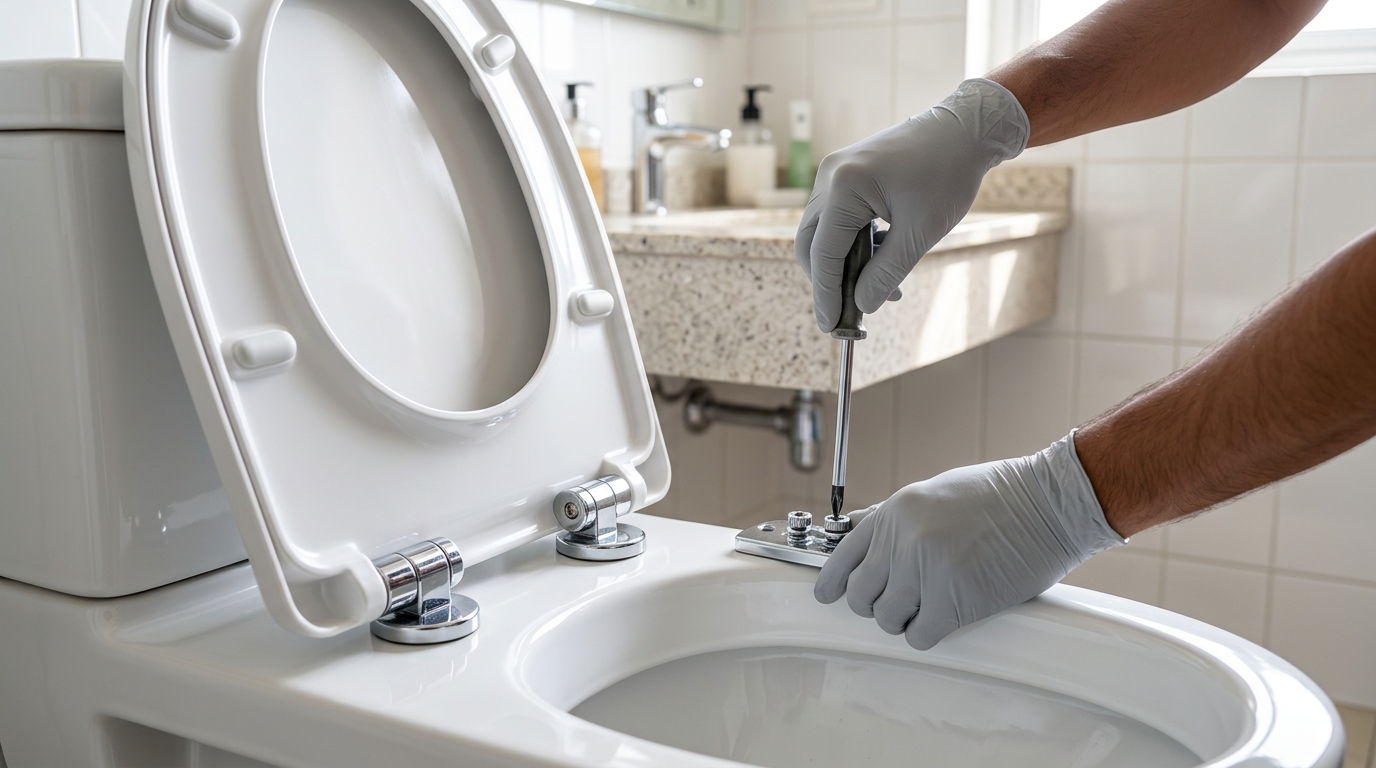
That wobbly toilet seat in your Pune apartment’s bathroom has been driving your family crazy for weeks now. Every time someone sits down, the seat shifts sideways or tilts forward, making what should be a simple daily routine frustratingly unstable. Before you call a plumber and spend ₹800-1200 on a service visit, toilet seat hinge adjustment is actually a straightforward DIY task that most Indian homeowners can handle with basic tools. Whether you’re dealing with loose screws, worn plastic bushings, or misaligned mounting points, the right approach can restore your toilet seat’s stability in under 30 minutes. For quality replacement hinges when adjustment isn’t enough, you can shop genuine toilet seat cover hinges compatible with all major Indian sanitaryware brands.
2026 Price Guide for Toilet Seat Hinges in India
Understanding current market prices helps you make informed decisions about repair versus replacement. The toilet seat hinge market in India has seen steady pricing across different quality tiers, with installation costs varying significantly between metros and smaller cities.
| Hinge Type | Generic Range | Standard Range | Premium Range | Installation Cost |
|---|---|---|---|---|
| Basic Plastic Hinges | ₹80-150 | ₹180-280 (Essco, ARK) | ₹350-500 (Jaquar, Cera) | ₹200-400 |
| Metal Hinges | ₹120-200 | ₹250-400 (Parryware, Hindware) | ₹500-800 (Kohler, Grohe) | ₹300-500 |
| Soft Close Hinges | ₹200-350 | ₹450-650 (Marc, LnK) | ₹800-1200 (Duravit, Roca) | ₹400-600 |
| Quick Release Hinges | ₹180-280 | ₹350-550 (Cavier, Johnson) | ₹650-950 (American Standard) | ₹350-550 |
Professional plumber visits for hinge adjustment typically cost ₹300-600 in tier-1 cities and ₹200-400 in smaller towns. However, most adjustment issues can be resolved with basic DIY skills, saving both time and money.
Regional price variations are notable: Mumbai and Delhi command 15-20% higher prices than cities like Vadodara or Lucknow. Online purchases often offer 10-25% savings compared to local hardware stores, especially for branded parts.
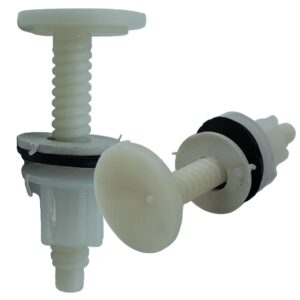
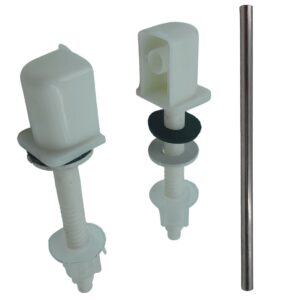
Shop These Parts on JKC Emart:
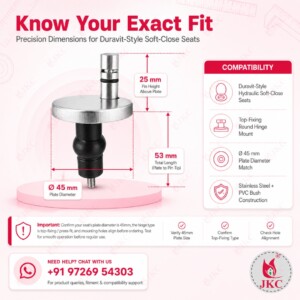
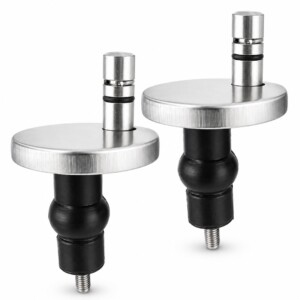
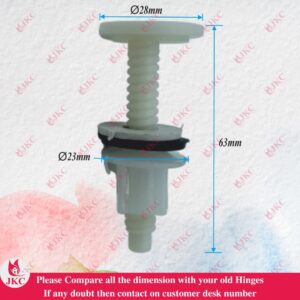
Step-by-Step Toilet Seat Hinge Adjustment Guide
Most toilet seat stability issues stem from loose mounting screws, worn bushings, or misaligned hinge pins. Before starting any adjustment work, ensure your bathroom has adequate lighting and gather all necessary tools.
Phase 1: Initial Assessment and Preparation
- Lift the toilet seat and lid completely upright
- Check both hinge points for visible cracks, wear, or damage
- Test the seat movement to identify specific problem areas
- Clean around hinge mounting points with a damp cloth
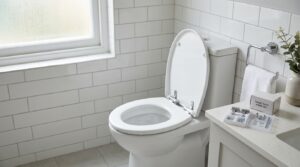
Start by examining the hinge attachment points on your toilet bowl. Most Indian sanitaryware brands use either top-mount or bottom-mount hinge systems. Top-mount hinges are accessible from above the toilet bowl rim, while bottom-mount systems require access from underneath.
Pro Tip: Take photos of your hinge configuration before starting any adjustments. This helps ensure proper reassembly and can be useful if you need to order replacement parts later.
Phase 2: Tightening Loose Mounting Hardware
- Locate the mounting bolts or screws securing hinges to the toilet bowl
- Use appropriate screwdriver or wrench to gently tighten loose fasteners
- Apply firm but controlled pressure – over-tightening can crack ceramic
- Test seat stability after each adjustment
- Check that both hinges are equally tight for balanced support
Many toilet seats use plastic wing nuts or metal bolts with rubber washers. Replace any washers that appear cracked or compressed, as these provide crucial cushioning between metal hardware and ceramic surfaces.
Common Toilet Seat Hinge Problems and Solutions
Indian households frequently encounter specific hinge issues due to hard water, high humidity, and frequent use. Understanding these patterns helps target your adjustment efforts effectively.
Sideways Seat Movement: This typically indicates worn hinge bushings or loose mounting hardware. The plastic bushings that center the hinge pins wear down over time, especially in high-use bathrooms. Check if the hinge pins slide freely within their mounting points.
- Remove hinge pins and inspect bushing condition
- Clean mineral deposits from hinge pivot points
- Apply small amount of petroleum jelly to hinge pins
- Replace bushings if cracked or significantly worn
Forward/Backward Tilting: Usually caused by uneven mounting bolt tension or warped hinge brackets. This problem is common in older installations where ceramic expansion and contraction have affected mounting alignment.
The solution involves systematic checking of each mounting point. Loosen all bolts slightly, ensure the seat sits level, then retighten evenly. Some installations benefit from adding thin rubber shims between hinges and toilet bowl.
Plumber’s Insight: Hard water areas like Rajasthan and Gujarat see faster hinge deterioration due to mineral buildup. Regular cleaning with vinegar solution extends hinge life significantly.
Seat Won’t Stay Up: This frustrating issue often results from worn hinge springs or incorrect adjustment of soft-close mechanisms. Check if your hinges have internal springs or dampers that control seat positioning.
For quality replacement parts when adjustment isn’t sufficient, you can browse compatible toilet seat hinges for all major Indian sanitaryware brands.
Essential Tools for Hinge Adjustment
Having the right tools makes toilet seat hinge adjustment much more manageable. Most Indian households already own these basic items, though investing in quality versions improves results and prevents damage.
Primary Tools Needed:
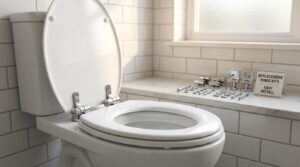
- Adjustable wrench (8-10 inch recommended)
- Phillips head screwdriver (medium size)
- Flathead screwdriver for prying and leverage
- Needle-nose pliers for small parts handling
- Flashlight or phone light for under-bowl visibility
Many toilet seat installations use specialized plastic nuts that require careful handling. Standard metal wrenches can crack these components, so consider wrapping wrench jaws with electrical tape for protection.
Optional but Helpful Items:
- Rubber gloves for hygiene and better grip
- Small container for holding screws and washers
- White vinegar for cleaning mineral deposits
- Petroleum jelly or plumber’s grease for lubrication
- Replacement washers and bushings (various sizes)
Safety Note: Always ensure the toilet seat is fully supported when working underneath. Ceramic toilets can crack if excessive pressure is applied to unsupported areas.
Professional plumbers often carry specialized toilet seat tools, but these aren’t necessary for basic adjustments. Focus on having quality basic tools rather than specialized equipment for occasional use.
Brand Compatibility Guide for Indian Sanitaryware
Understanding hinge compatibility across Indian sanitaryware brands prevents ordering mistakes and ensures proper fit. While some manufacturers use proprietary designs, many hinges are interchangeable within specific categories.
Universal Compatibility Brands: Cera, Parryware, and Hindware toilets typically use standard mounting patterns that accept most aftermarket hinges. These brands follow common Indian industry standards for hole spacing and mounting hardware.
- Standard hole spacing: 5.5 inches (14 cm) center-to-center
- Mounting bolt diameter: 6-8mm standard
- Compatible with most generic and branded replacement hinges
- Easy availability of spare parts across India
Premium Brand Considerations: Jaquar, Kohler, and Grohe often use proprietary hinge systems with specific mounting requirements. While more expensive, these systems typically offer superior durability and smoother operation.
| Brand Category | Hinge Type | Compatibility | Availability |
|---|---|---|---|
| Mass Market (Cera, Parryware) | Standard plastic/metal | High interchangeability | Widely available |
| Mid-Range (Hindware, Marc) | Enhanced plastic/soft-close | Moderate compatibility | Good availability |
| Premium (Jaquar, Kohler) | Proprietary systems | Brand-specific parts | Authorized dealers |
Regional Brand Preferences: South Indian markets show strong preference for Parryware and Cera products, while North Indian metros favor Hindware and Jaquar. This affects local parts availability and pricing.
Compatibility Tip: When ordering online, always verify your toilet’s brand and model number. Most brands stamp this information on the inside of the toilet bowl or tank lid.
Browse Compatible Parts:
Signs You Need to Replace vs Adjust Hinges
Determining whether to adjust existing hinges or invest in replacements saves time and ensures lasting solutions. Some issues respond well to adjustment, while others require complete hinge replacement.
Adjustment Can Fix These Issues:
- Loose seat that shifts during use
- Uneven seat positioning when closed
- Squeaking or grinding sounds during movement
- Seat that won’t stay in upright position
- Minor wobbling or instability
These problems typically stem from loose hardware, minor misalignment, or lack of lubrication. Simple adjustments and maintenance can restore proper function without parts replacement.
Replacement Required for These Conditions: Cracked hinge bodies, stripped mounting holes, or severely worn pivot points cannot be effectively repaired. Attempting adjustment on damaged components often leads to complete failure.
- Visible cracks in plastic hinge bodies or mounting brackets
- Stripped or enlarged mounting holes in toilet ceramic
- Bent or broken hinge pins that cannot be straightened
- Completely worn bushings with excessive play
- Corroded metal components that resist movement
Cost Analysis: Professional hinge replacement typically costs ₹800-1500 including parts and labor. DIY replacement using quality parts from JKC Emart reduces this to ₹200-600 depending on hinge type.
Hard Water Damage Assessment: Areas with high mineral content water show accelerated hinge wear. White chalky deposits around pivot points indicate mineral buildup that may require more aggressive cleaning or replacement.
Regular inspection every 6-12 months helps catch problems early when adjustment is still effective. Look for early warning signs like increased seat movement or unusual sounds during operation.
How to Buy the Right Spare Part Online
Purchasing toilet seat hinges online requires careful attention to compatibility details and quality indicators. Following systematic selection criteria prevents costly mistakes and ensures proper fit.
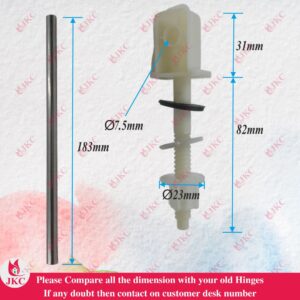
Step 1: Measure Your Current Setup Before browsing online catalogs, document your existing hinge configuration with photos and measurements. Measure the distance between mounting holes center-to-center, typically 5.5 inches for standard Indian toilets.
- Photograph hinges from multiple angles showing mounting style
- Measure hole spacing with ruler or measuring tape
- Note hinge material (plastic, metal, or composite)
- Check for any brand markings or model numbers
Step 2: Verify Brand Compatibility Cross-reference your toilet brand with hinge compatibility charts. Most reputable online stores provide detailed compatibility information for major Indian sanitaryware brands.
Step 3: Read Product Specifications Carefully Online product descriptions should include mounting hole spacing, weight capacity, and material specifications. Avoid listings with vague or incomplete technical details.
Quality Indicator: Genuine parts listings include specific brand compatibility, material certifications, and clear return policies. Generic listings with stock photos often indicate lower quality products.
Step 4: Check Customer Reviews and Ratings Focus on reviews that mention specific toilet brands and installation experiences. Look for patterns in feedback regarding durability and ease of installation.
Step 5: Verify Seller Reputation and Policies Choose established sellers with clear return policies and customer support. JKC Emart offers genuine quality parts with 7-day easy returns and expert customer support for confident online purchasing.
Step 6: Consider Complete Kit vs Individual Parts Many online stores offer complete hinge kits including mounting hardware, washers, and bushings. These kits often provide better value and ensure component compatibility.
For reliable sourcing of genuine toilet seat hinges compatible with all major brands, order quality hinge parts from JKC Emart with pan-India shipping and expert customer support.
Ready to Order? Here Are the Top Picks:
Frequently Asked Questions
Q: How often should toilet seat hinges be adjusted or replaced?
With normal household use, toilet seat hinges typically require adjustment every 12-18 months and replacement every 3-5 years. High-use bathrooms or areas with hard water may need more frequent attention. Regular cleaning and occasional lubrication can extend hinge life significantly. Signs that adjustment is needed include wobbling, shifting during use, or difficulty keeping the seat in upright position.
Q: Can I use any toilet seat hinge on my Indian sanitaryware toilet?
While many hinges use standard mounting patterns, compatibility varies by brand and model. Cera, Parryware, and Hindware typically use universal mounting systems, while premium brands like Jaquar and Kohler may require specific parts. Always measure your current hinge spacing and verify brand compatibility before purchasing. Most standard Indian toilets use 5.5-inch center-to-center mounting hole spacing.
Q: Why does my toilet seat keep sliding sideways even after tightening the bolts?
Sideways movement usually indicates worn plastic bushings within the hinge pivot points rather than loose mounting bolts. These bushings wear down over time, creating play between the hinge pin and mounting bracket. The solution involves either replacing the bushings or installing new hinges with fresh components. Temporary fixes include adding small rubber washers to reduce movement.
Q: What’s the difference between soft-close and regular toilet seat hinges?
Soft-close hinges contain internal dampers that control the closing speed, preventing slamming and reducing noise. They typically cost 2-3 times more than regular hinges but offer better durability and user comfort. Regular hinges rely on gravity and user control for closing speed. Soft-close mechanisms can be adjusted for closing speed and may require occasional maintenance to maintain proper function.
Q: How do I remove old toilet seat hinges that seem stuck or corroded?
Stuck hinges often result from mineral buildup or corrosion, especially in hard water areas. Apply penetrating oil or white vinegar to mounting hardware and let it soak for 30-60 minutes before attempting removal. Use proper-sized tools to avoid stripping plastic nuts or bolts. If hinges remain stuck, carefully apply heat with a hair dryer to expand metal components slightly. In extreme cases, cutting tools may be necessary, but this requires careful work to avoid damaging the toilet bowl.
Conclusion
Toilet seat hinge adjustment is a practical DIY skill that saves Indian homeowners both money and frustration. With basic tools and systematic approach, most stability issues can be resolved in under an hour without professional help. The key lies in proper diagnosis – determining whether your situation requires simple adjustment or complete hinge replacement.
Understanding your sanitaryware brand’s compatibility requirements and current market pricing helps make informed decisions about repair versus replacement. Whether you’re dealing with a wobbly seat in your Mumbai apartment or planning bathroom upgrades in your Vadodara home, quality hinges make a significant difference in daily comfort and bathroom functionality.
JKC Emart specializes in genuine toilet seat cover hinges compatible with all major Indian sanitaryware brands, offering pan-India free shipping above ₹499 and convenient availability through Amazon India. With expert customer support and 7-day easy returns, you can confidently tackle your toilet seat hinge projects knowing quality replacement parts are readily available when needed.


About author


Add comment
You must be logged in to post a comment.