
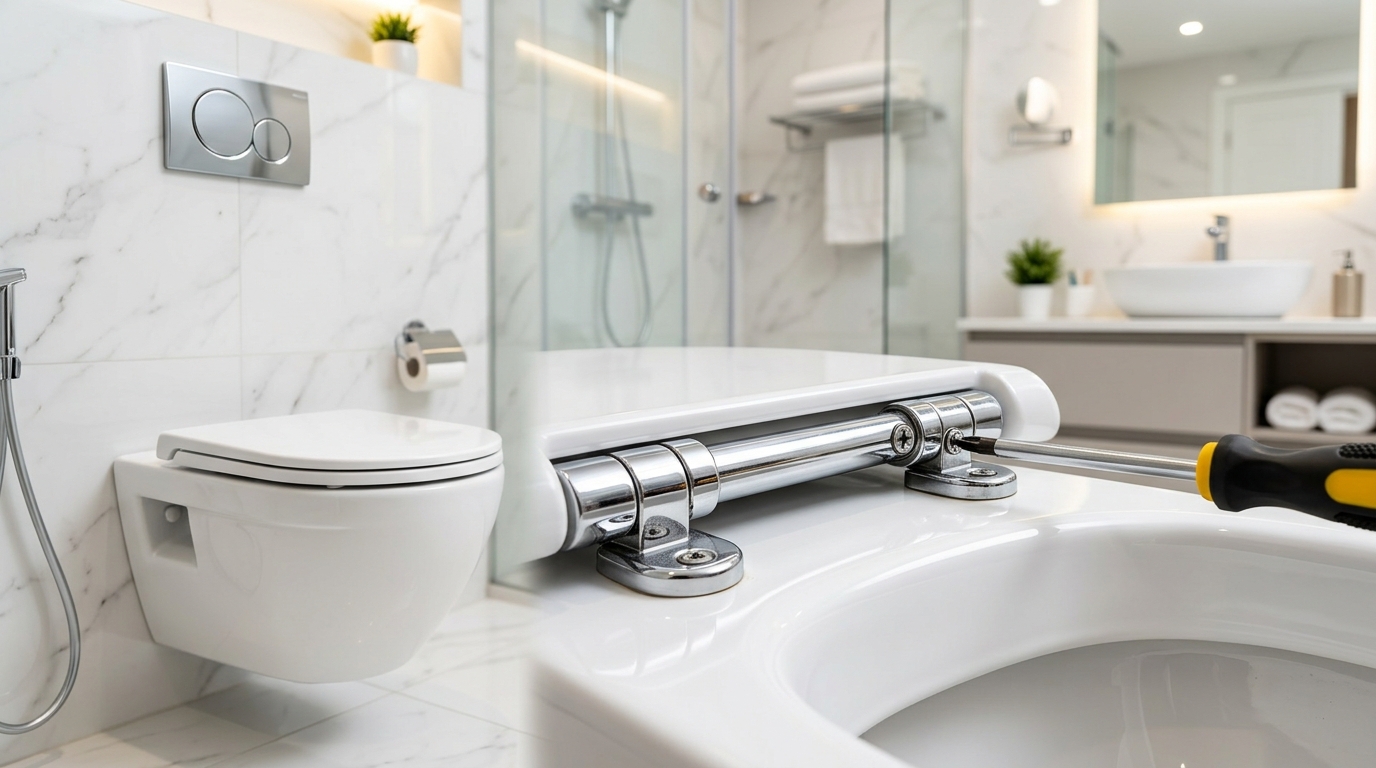
How to Fix Loose Toilet Seat Hinges 2026 – Complete Repair Guide
Table of Contents
- 2026 Toilet Seat Hinge Repair Costs in India
- Signs You Need to Replace Your Toilet Seat Hinges
- Brand Compatibility Guide for Indian Sanitaryware
- Step-by-Step DIY Toilet Seat Hinge Repair Guide
- Common Mistakes Homeowners Make During Hinge Repair
- Maintenance and Longevity Tips
- How to Buy the Right Spare Part Online
- Frequently Asked Questions
That wobbling toilet seat in your Bandra apartment bathroom isn’t just annoying—it’s a clear sign your toilet seat hinges need immediate attention. Loose toilet seat hinges are among the most common plumbing hardware issues faced by Indian homeowners, especially in older residential complexes across Mumbai, Delhi, and Bangalore where constant use has worn down the original fittings. The good news is that toilet seat hinge repair is one of the most straightforward DIY fixes you can tackle without calling a plumber, saving both time and service charges that typically range from ₹300-500 per visit. Whether you’re dealing with plastic hinges that have cracked under daily use or metal hinges that have loosened due to hard water corrosion, quality replacement toilet seat hinges can restore stability and comfort to your bathroom experience.
2026 Toilet Seat Hinge Repair Costs in India
Understanding the cost breakdown for toilet seat hinge repair helps you budget effectively and choose the right quality level for your needs. Indian homeowners typically spend between ₹150-800 on hinge replacement parts, depending on the brand and material quality they select.
| Quality Tier | Part Cost Range | Installation Cost | Total Investment | Brand Examples |
|---|---|---|---|---|
| Generic/Budget | ₹150-300 | ₹200-350 | ₹350-650 | Local unbranded, basic plastic hinges |
| Standard/Mid-Range | ₹300-500 | ₹250-400 | ₹550-900 | Essco, ARK, LnK, Marc compatible parts |
| Premium/Branded | ₹500-800 | ₹300-450 | ₹800-1250 | Jaquar, Cera, Parryware, Hindware genuine parts |
The premium tier offers significantly better longevity, with branded hinges typically lasting 5-7 years compared to 2-3 years for generic alternatives. Hard water conditions prevalent in cities like Chennai, Hyderabad, and Pune can reduce generic hinge lifespan by 30-40%.
- DIY Installation: Save ₹200-450 in plumber charges by handling the repair yourself
- Bulk Purchase Benefits: Many suppliers offer 10-15% discounts on purchasing complete hinge sets
- Warranty Considerations: Premium branded hinges come with 1-2 year warranties, while generic parts typically offer no coverage
Pro Tip: If your toilet seat is over 5 years old, consider replacing both hinges simultaneously even if only one appears damaged. This prevents future repairs and ensures balanced weight distribution.
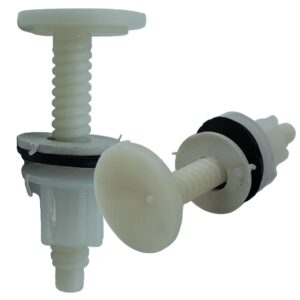
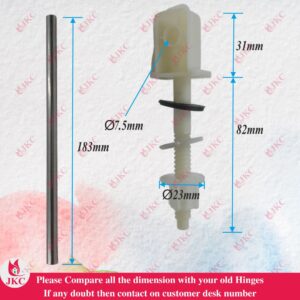
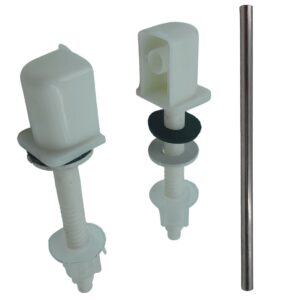
Shop These Parts on JKC Emart:
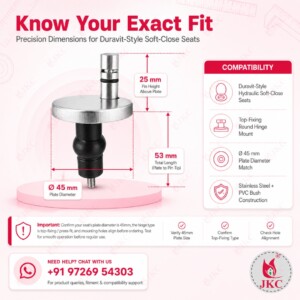
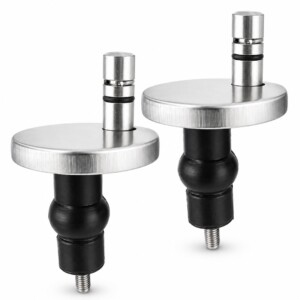
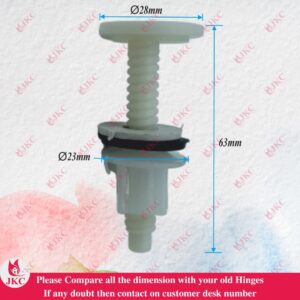
Signs You Need to Replace Your Toilet Seat Hinges
Recognizing the early warning signs of failing toilet seat hinges can prevent sudden breakage and potential injury. Indian bathrooms, with their high humidity levels and frequent temperature changes, create challenging conditions that accelerate hinge deterioration.
Physical Damage Indicators
Visible cracks in plastic hinges are the most obvious sign of impending failure. These typically appear as hairline fractures that gradually expand with each use. Metal hinges may show rust spots or corrosion, particularly around screw holes where water tends to accumulate.
- Plastic Hinge Cracks: Look for white stress marks or actual splits in the hinge body
- Metal Corrosion: Brown or green discoloration indicating rust or oxidation
- Screw Hole Damage: Enlarged or stripped holes that no longer hold screws securely
Functional Problems
Movement issues often develop gradually, making them easy to overlook until they become severe. A properly functioning toilet seat should lift and lower smoothly without lateral movement or unexpected drops.
- Excessive Wobbling: Side-to-side movement when sitting or standing
- Uneven Positioning: Seat sits at an angle or doesn’t align properly with the bowl
- Sudden Dropping: Seat falls unexpectedly when lifted, indicating spring or damper failure
- Grinding Sounds: Scraping or clicking noises during movement suggest internal wear
Safety Alert: Never ignore a toilet seat that suddenly shifts or drops, as this can cause serious injury, particularly to elderly family members or children.
Brand Compatibility Guide for Indian Sanitaryware
Selecting compatible hinges requires understanding the mounting patterns and specifications used by different Indian sanitaryware manufacturers. Most brands follow standardized measurements, but subtle variations can affect fit and performance.
Major Brand Specifications
Jaquar and Cera typically use a 150mm center-to-center mounting distance with 6mm diameter mounting holes. These premium brands often feature proprietary quick-release mechanisms that require specific hinge designs for proper functionality.
Parryware and Hindware commonly employ a 145mm spacing with slightly larger 7mm mounting holes. Their older models from pre-2020 may have different specifications, so measuring your existing setup is crucial.
- Essco and ARK: Standard 140mm spacing, compatible with most universal hinges
- Johnson and Marc: Variable spacing between 140-150mm depending on model year
- American Standard and Kohler: International standard 5.5-inch (140mm) spacing
Universal vs Brand-Specific Options
Universal hinges work with 80% of Indian toilet seats but may not provide the exact fit and finish of brand-specific parts. Browse genuine compatible toilet seat hinges to ensure perfect fitment for your specific sanitaryware brand.
| Compatibility Type | Fit Accuracy | Price Range | Best For |
|---|---|---|---|
| Brand-Specific | Perfect match | ₹400-800 | Premium installations, warranty preservation |
| Universal | Good fit | ₹200-500 | Budget repairs, older models |
| Adjustable | Variable | ₹300-600 | Mixed brand bathrooms, rental properties |
Browse Compatible Parts:
Step-by-Step DIY Toilet Seat Hinge Repair Guide
Replacing toilet seat hinges is a straightforward process that most homeowners can complete in 30-45 minutes with basic tools. This comprehensive guide walks you through each phase of the repair process.
Required Tools and Materials
Gather all necessary items before starting to ensure smooth progress. Having the right tools prevents damage to your toilet bowl and ensures professional-quality results.
- Basic Tools: Phillips head screwdriver, flathead screwdriver, adjustable wrench
- Measuring Tools: Ruler or measuring tape, pencil for marking
- Safety Items: Rubber gloves, eye protection, non-slip mat
- Cleaning Supplies: Disinfectant, clean rags, old toothbrush for detail cleaning
Phase 1: Removal of Old Hinges
Start by closing the toilet seat and lid to provide better access to the hinge mounting points. Most hinges are secured with plastic or metal bolts that thread through the toilet bowl rim.
- Locate Mounting Bolts: Look underneath the toilet bowl rim for bolt heads or wing nuts
- Support the Seat: Have someone hold the seat steady while you work on the bolts
- Remove Fasteners: Turn counterclockwise to loosen, being careful not to drop parts into the toilet
- Clean Mounting Area: Remove any mineral deposits or old sealant from the mounting holes
Phase 2: Installation of New Hinges
Position the new hinges carefully, ensuring proper alignment before tightening any fasteners. Incorrect positioning can lead to premature wear or operational issues.
Installation Tip: Apply a small amount of plumber’s silicone around mounting holes to prevent water infiltration and extend hinge life in humid Indian bathroom conditions.
- Test Fit: Place new hinges in position and check alignment with existing holes
- Insert Mounting Bolts: Thread bolts through hinges and toilet bowl, hand-tighten initially
- Adjust Position: Ensure seat sits level and centered on the bowl before final tightening
- Final Tightening: Secure all fasteners firmly but avoid over-tightening which can crack ceramic
Phase 3: Testing and Adjustment
Proper testing ensures your repair will provide reliable service. Check all aspects of seat operation before considering the job complete.
- Movement Test: Lift and lower the seat multiple times, checking for smooth operation
- Stability Check: Apply gentle pressure to different points on the seat to verify secure mounting
- Alignment Verification: Ensure seat and lid close properly without binding or gaps
Common Mistakes Homeowners Make During Hinge Repair
Learning from others’ mistakes can save time, money, and frustration during your toilet seat hinge repair project. These four critical errors account for most DIY repair failures in Indian households.
Mistake 1: Incorrect Measurements
Many homeowners assume all toilet seat hinges are universal, leading to purchases that don’t fit properly. Indian sanitaryware brands use varying mounting patterns that require precise measurement.
The Problem: Guessing measurements or using old, damaged hinges as reference points results in poor fit and unstable installation. This is particularly common when replacing hinges on older Parryware or Hindware models from the 1990s-2000s era.
- Correct Approach: Measure center-to-center distance between mounting holes with the old hinges removed
- Double-Check Method: Verify measurements against manufacturer specifications or product catalogs
- Professional Tip: Take photos of the existing setup before removal for reference during installation
Mistake 2: Over-Tightening Fasteners
Enthusiasm for a secure installation often leads to excessive force when tightening mounting bolts. Indian toilet bowls, particularly older ceramic models, are susceptible to cracking under stress.
Damage Prevention: Tighten mounting bolts until snug, then add only 1/4 turn more. The rubber washers should compress slightly but not be completely flattened.
Mistake 3: Ignoring Water Damage
Failing to address underlying moisture issues during hinge replacement leads to premature failure of new parts. Indian bathroom humidity levels, especially during monsoon seasons, accelerate corrosion and deterioration.
- Inspect Mounting Area: Look for soft or discolored ceramic around mounting holes
- Address Leaks: Fix any water seepage before installing new hinges
- Apply Sealant: Use bathroom-grade silicone around mounting points to prevent future water damage
Mistake 4: Using Incompatible Hardware
Mixing different hinge types or using generic bolts with branded hinges creates functional and aesthetic problems. This mistake is common when homeowners try to save money by reusing old hardware.
Quality Considerations: Stainless steel bolts resist corrosion better than zinc-plated alternatives in humid conditions. Plastic washers may degrade faster than rubber ones under Indian climate conditions.
Maintenance and Longevity Tips
Proper maintenance extends toilet seat hinge life significantly, especially important in Indian bathrooms where high humidity, temperature fluctuations, and hard water create challenging conditions for hardware longevity.
Regular Cleaning Protocols
Weekly cleaning prevents mineral buildup and bacterial growth that can damage hinge mechanisms. Use mild, non-abrasive cleaners to avoid damaging plastic components or protective coatings on metal parts.
- Weekly Routine: Wipe hinges with disinfectant solution and dry thoroughly
- Monthly Deep Clean: Remove mineral deposits using white vinegar and an old toothbrush
- Quarterly Inspection: Check for loose fasteners, cracks, or signs of wear
Hard Water Protection Strategies
Indian cities like Delhi, Gurgaon, and Noida have particularly hard water that accelerates mineral buildup on bathroom fixtures. Implementing protective measures prevents premature hinge failure.
Hard Water Solution: Apply a thin coat of petroleum jelly to metal hinge pins monthly. This creates a barrier against mineral deposits while maintaining smooth operation.
- Water Softening: Consider installing a bathroom water softener if mineral buildup is severe
- Regular Descaling: Use calcium-lime-rust remover monthly on metal components
- Protective Coatings: Apply car wax to metal hinges quarterly for additional protection
Seasonal Maintenance Adjustments
India’s diverse climate requires seasonal maintenance adaptations. Monsoon humidity, winter dryness, and summer heat each present unique challenges for bathroom hardware.
Monsoon Season (June-September): Increase cleaning frequency and ensure thorough drying after each use. Check for rust formation weekly during heavy rainfall periods.
Summer Months (March-May): Lubricate moving parts more frequently as heat can cause lubricants to evaporate quickly. Inspect plastic components for heat-related cracking.
- Winter Care: Avoid using hot water directly on cold hinges to prevent thermal shock
- Humidity Control: Use exhaust fans during and after bathing to reduce moisture exposure
- Temperature Monitoring: Avoid exposing hinges to extreme temperature changes
How to Buy the Right Spare Part Online
Purchasing toilet seat hinges online requires careful attention to specifications and compatibility to ensure you receive parts that fit perfectly and function reliably. Indian e-commerce platforms offer thousands of options, making informed selection crucial.
Essential Measurement Guidelines
Accurate measurements are the foundation of successful online purchases. Take multiple measurements to account for any irregularities in your existing setup.
Critical Dimensions: Measure the center-to-center distance between mounting holes, hole diameter, and overall hinge width. Document these measurements clearly before browsing online catalogs.
- Mounting Hole Spacing: Most Indian brands use 140-150mm spacing, but verify your specific model
- Hole Diameter: Standard sizes are 6mm, 7mm, or 8mm depending on manufacturer
- Hinge Thickness: Ensure new hinges won’t interfere with seat operation or bowl clearance
Brand and Model Verification
Identifying your exact toilet seat model helps narrow down compatible replacement options. Look for manufacturer labels, model numbers, or distinctive design features that can guide your search.
Research Tip: Check the manufacturer’s website for technical specifications and recommended replacement parts before making online purchases.
Quality Indicators to Look For
Online product descriptions and images provide valuable clues about build quality and durability. Focus on materials, warranty terms, and customer reviews from verified Indian buyers.
- Material Quality: Stainless steel or high-grade plastic with UV resistance
- Warranty Coverage: Minimum 1-year warranty indicates manufacturer confidence
- Customer Reviews: Look for reviews mentioning Indian climate conditions and longevity
- Seller Reputation: Choose established sellers with good return policies
Price Comparison Strategies
Compare prices across multiple platforms while considering shipping costs, return policies, and delivery timeframes. Factor in the total cost of ownership, including potential replacement frequency.
Value Assessment: A ₹600 premium hinge that lasts 6 years offers better value than a ₹200 generic part requiring replacement every 18 months.
Ordering and Delivery Considerations
Plan your purchase timing around your repair schedule and consider ordering backup parts for future needs. Order genuine toilet seat hinges from JKC Emart for guaranteed compatibility with major Indian sanitaryware brands.
- Bulk Ordering: Consider buying complete hinge sets or backup parts to save on shipping
- Delivery Timing: Allow 3-7 days for delivery and plan repair work accordingly
- Return Policy: Verify return terms in case of compatibility issues or defects
Ready to Order? Here Are the Top Picks:
Frequently Asked Questions
How long do toilet seat hinges typically last in Indian bathrooms?
Quality toilet seat hinges in Indian conditions typically last 3-7 years depending on material quality, usage frequency, and maintenance practices. Premium branded hinges like Jaquar or Cera often exceed 5 years with proper care, while generic plastic hinges may require replacement every 2-3 years. Hard water areas like Delhi, Gurgaon, and Chennai can reduce lifespan by 20-30% due to mineral buildup accelerating wear. Regular cleaning and occasional lubrication can extend hinge life significantly, making the small maintenance effort worthwhile for avoiding frequent replacements.
Can I replace just one hinge if only one is damaged?
While technically possible, replacing both hinges simultaneously is strongly recommended even if only one appears damaged. Toilet seat hinges work as a matched pair, and mixing old with new creates uneven weight distribution that can lead to premature failure of the new hinge. Additionally, if one hinge has failed, the other has experienced the same usage and environmental conditions, making failure likely within months. The cost difference between single and double hinge replacement is minimal (typically ₹100-200), but replacing both ensures balanced operation and prevents future repair hassles. Most plumbers and experienced DIY enthusiasts follow this practice as standard procedure.
What’s the difference between soft-close and standard toilet seat hinges?
Soft-close hinges incorporate hydraulic dampers or spring mechanisms that control the closing speed, preventing the seat from slamming shut. Standard hinges rely on gravity and user control for closing action. Soft-close hinges cost 40-60% more (₹400-800 vs ₹200-500) but offer significant benefits including reduced noise, extended toilet seat life, and prevention of ceramic damage from impact. In Indian joint families where bathrooms see heavy usage, soft-close hinges reduce disturbance during night use and minimize wear on both the seat and toilet bowl. However, soft-close mechanisms can be affected by humidity and may require more frequent maintenance in monsoon-prone areas.
How do I know if my toilet bowl can support heavier hinges?
Most modern Indian toilet bowls manufactured after 2000 can support standard toilet seat hinges without issues, as they’re designed with adequate ceramic thickness around mounting areas. However, older bowls or those showing signs of wear require careful assessment. Look for hairline cracks, chips, or discoloration around existing mounting holes which indicate potential weakness. The mounting area should feel solid when gently tapped – hollow sounds suggest thin ceramic that may not support heavy hinges. If uncertain, consult the toilet manufacturer’s specifications or have a plumber assess the mounting area. Premium soft-close hinges typically weigh 200-400 grams more than standard hinges, which is within safe limits for quality ceramic fixtures.
Are universal toilet seat hinges really compatible with all Indian brands?
Universal hinges work with approximately 75-80% of Indian toilet seats, but “universal” doesn’t guarantee perfect fit for every model. Most Indian sanitaryware brands follow similar mounting patterns (140-150mm center-to-center spacing), making universal hinges broadly compatible. However, subtle differences in hole diameter (6mm vs 7mm), mounting depth, or proprietary features can affect fit quality. Brands like Kohler, American Standard, and some premium Jaquar models may have unique specifications requiring brand-specific parts. Universal hinges are excellent for budget-conscious repairs or older models where exact replacement parts aren’t available, but brand-specific hinges ensure optimal fit, appearance, and warranty coverage. Always verify measurements and read compatibility information before purchasing universal options.
Conclusion
Successfully completing toilet seat hinge repair transforms a frustrating daily annoyance into a smooth, reliable bathroom experience while saving substantial money on plumber service calls. The investment of 30-45 minutes and ₹200-800 in quality replacement parts delivers years of trouble-free operation, making this one of the most cost-effective home maintenance tasks Indian homeowners can tackle independently. Whether you’re dealing with a wobbly seat in your Mumbai apartment or replacing aging hinges in your Bangalore villa, the techniques and insights covered in this guide ensure professional-quality results that withstand India’s challenging bathroom conditions.
The key to long-term success lies in selecting appropriate quality parts for your specific sanitaryware brand and usage patterns. Premium hinges from established manufacturers like Jaquar, Cera, or Parryware offer superior longevity and performance, while universal options provide budget-friendly solutions for older installations. Regular maintenance, proper installation techniques, and attention to hard water protection will maximize your investment and prevent premature replacement needs.
JKC Emart stands as your trusted partner for genuine toilet seat hinges and bathroom hardware, offering authentic parts compatible with all major Indian sanitaryware brands. With pan-India free shipping on orders above ₹499, comprehensive quality guarantees, and expert customer support, JKC Emart eliminates the guesswork from online spare parts purchasing. Their Amazon India presence provides additional purchase confidence, while the 7-day easy return policy ensures complete satisfaction with your hinge repair project. Browse All Spare Parts at JKC Emart to find the perfect replacement hinges for your specific needs and restore your bathroom to optimal functionality.


About author



Add comment
You must be logged in to post a comment.