
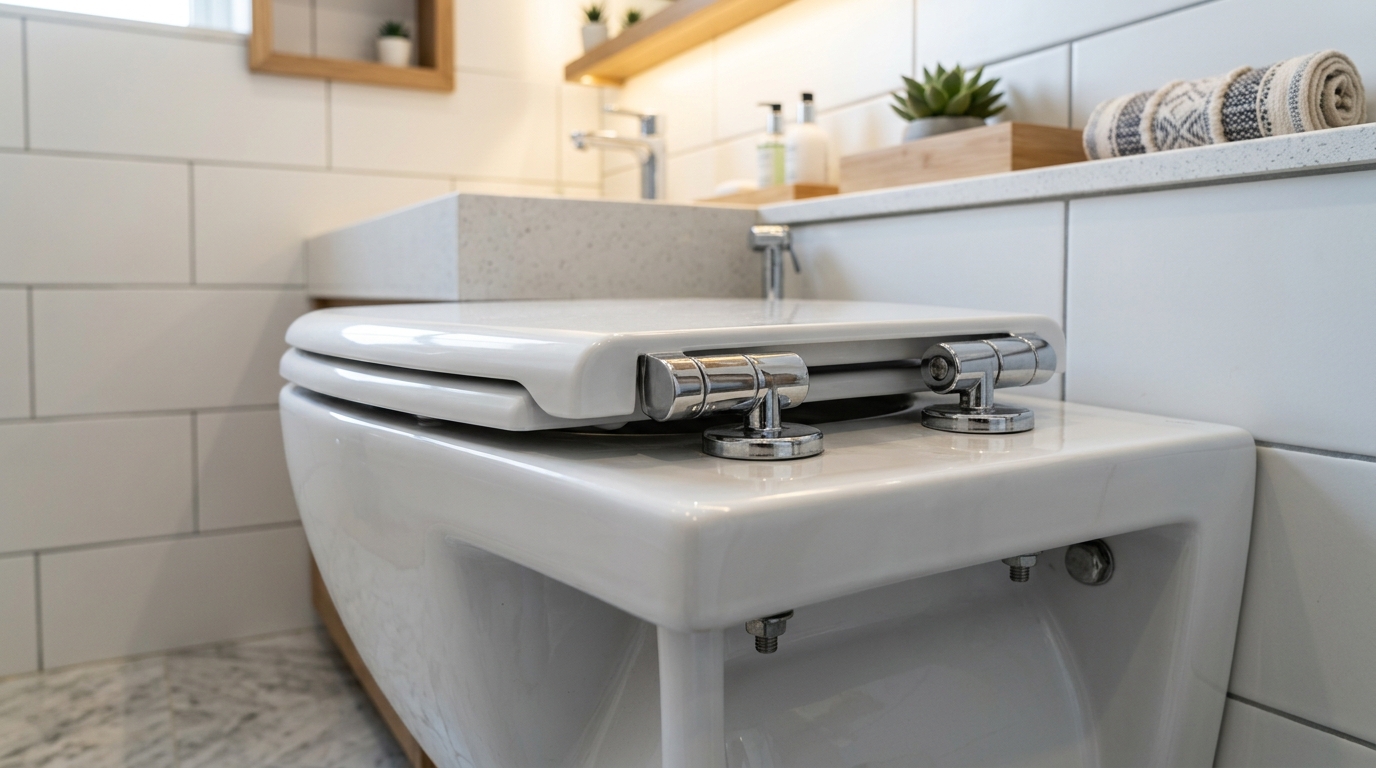
Are Toilet Hinges Universal in 2026? Complete Compatibility Guide
Table of Contents
- Toilet Hinge Price Guide 2026
- Understanding Universal Compatibility
- Brand Compatibility Guide
- How to Identify the Right Hinge Type
- Measuring and Sizing Your Toilet Hinges
- Common Mistakes When Replacing Hinges
- How to Buy the Right Spare Part Online
- Frequently Asked Questions
Your toilet seat keeps sliding off its hinges every time someone sits down, and you’re tired of the constant readjustment routine in your Koregaon Park apartment. The plastic hinges have cracked after three years of daily use, and now you’re wondering if you can simply grab any replacement hinges from the market. The question of toilet hinges universal compatibility is more complex than most homeowners in India realize, especially when dealing with different sanitaryware brands and imported fixtures. Understanding hinge compatibility can save you multiple trips to the hardware store and ensure a proper fit that lasts for years. When shopping for replacement parts, you’ll want to explore quality toilet seat cover hinges that match your specific toilet model and mounting requirements.
Toilet Hinge Price Guide 2026
The toilet hinge replacement market in India has seen significant price variations in 2026, with costs ranging from basic plastic hinges to premium stainless steel options. Understanding these price tiers helps homeowners make informed decisions based on their budget and quality requirements. Installation costs have also increased due to inflation in skilled labor charges across major cities.
| Hinge Type | Price Range (INR) | Brand Examples | Installation Cost | Total Cost |
|---|---|---|---|---|
| Generic Plastic | ₹150 – ₹300 | Local unbranded, Basic hardware store brands | ₹200 – ₹300 | ₹350 – ₹600 |
| Standard Quality | ₹400 – ₹800 | Essco, ARK, LnK, Marc | ₹250 – ₹400 | ₹650 – ₹1,200 |
| Premium Grade | ₹900 – ₹2,500 | Jaquar, Cera, Parryware, Hindware, Kohler | ₹300 – ₹500 | ₹1,200 – ₹3,000 |
Key factors affecting toilet hinge pricing in 2026 include:
- Material quality: Stainless steel and brass hinges command premium prices
- Brand reputation: Established sanitaryware brands charge 40-60% more than generic options
- Soft-close mechanism: Adds ₹200-₹500 to the base hinge price
- Quick-release feature: Premium hinges with easy removal mechanisms cost extra
Pro Tip: While generic hinges might seem cost-effective initially, investing in standard or premium quality hinges typically provides 3-5 times longer lifespan, making them more economical in the long run.
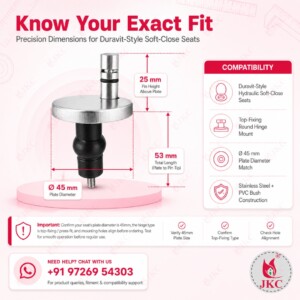
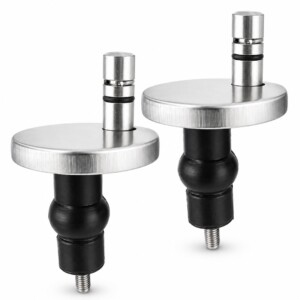
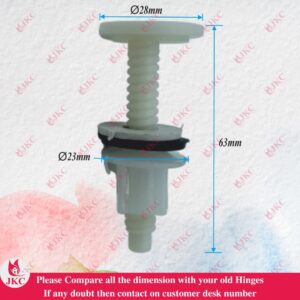
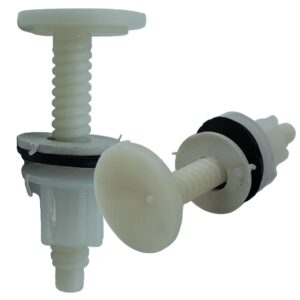
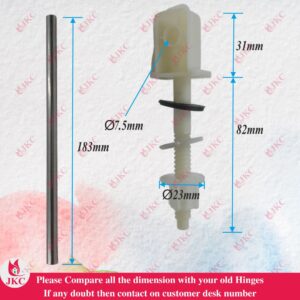
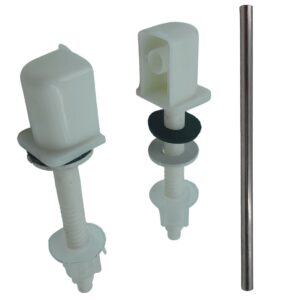
Shop These Parts on JKC Emart:
Understanding Universal Compatibility
The concept of toilet hinges universal compatibility is largely a marketing myth that has caused confusion among Indian homeowners for years. While some manufacturers claim universal fit, the reality is far more nuanced, especially in India’s diverse sanitaryware market. Most toilet hinges are designed with specific mounting patterns, hole spacing, and attachment mechanisms that vary significantly between brands and models.
Standard mounting configurations do exist, but they’re not truly universal:
- Western-style toilets: Most follow either 5.5-inch or 6.5-inch center-to-center hole spacing
- Indian-style toilets: Rarely use hinged seats, making compatibility less relevant
- Wall-hung toilets: Often require brand-specific hinge systems due to unique mounting requirements
The three main factors that determine hinge compatibility are mounting hole spacing, seat attachment method, and bowl rim shape. Indian homes built before 2015 often feature toilets with non-standard hole spacing, particularly in apartments developed by local builders who used regional sanitaryware suppliers. Modern residential projects typically standardize on major brand specifications, but retrofitting older toilets remains challenging.
Plumber’s Insight: In my 15 years of experience across Mumbai and Pune, I’ve found that roughly 30% of hinge replacement jobs require custom solutions or modifications because of non-standard mounting patterns.
Brand Compatibility Guide
Indian sanitaryware brands have developed distinct hinge mounting systems over the years, making cross-brand compatibility a complex issue. Understanding which hinges work with which brands can save significant time and frustration during replacement projects. The major Indian and international brands each have their preferred specifications and mounting methods.
High Compatibility Brands (often interchangeable):
- Jaquar and Cera: Share similar mounting patterns in most models manufactured after 2020
- Parryware and Hindware: Compatible in 70% of standard models due to similar design philosophy
- ESS ESS and Marc: Often use identical hinge specifications for budget-friendly models
Brand-Specific Requirements:
- Kohler: Uses proprietary quick-release mechanisms that rarely accept generic hinges
- Grohe: German engineering standards require precise measurements and specific materials
- American Standard: Follows US specifications that differ from Indian standard measurements
- Roca: European mounting patterns that need careful measurement verification
When dealing with premium international brands, it’s crucial to source genuine compatible toilet seat hinges rather than attempting to force-fit generic alternatives. The precision engineering in these brands often requires exact specifications to maintain proper functionality and warranty coverage.
Browse Compatible Parts:
How to Identify the Right Hinge Type
Identifying the correct toilet hinge type requires systematic examination of your existing setup and understanding the various mounting mechanisms used in Indian homes. Many homeowners make the mistake of assuming all hinges are the same, leading to frustrating installation attempts and wasted money on incompatible parts. Proper identification saves time, money, and ensures a secure, long-lasting installation.
Step-by-step identification process:
- Remove the toilet seat: Lift the seat and locate the hinge mounting points at the back of the toilet bowl
- Measure hole spacing: Use a measuring tape to determine the center-to-center distance between mounting holes
- Check mounting method: Look for top-mount (accessible from above) or bottom-mount (bolts from underneath) systems
- Identify hinge material: Note if current hinges are plastic, metal, or a combination of both materials
Common hinge types in Indian homes:
- Standard top-mount: Most common in apartments and independent houses built after 2010
- Bottom-mount with nuts: Found in older constructions and budget sanitaryware installations
- Quick-release hinges: Popular in premium homes and modern residential complexes
- Soft-close hinges: Increasingly common in luxury apartments and villas
Measurement Tip: Always measure twice before ordering replacement hinges. Indian sanitaryware manufacturers sometimes use metric measurements while international brands follow imperial standards, leading to slight but crucial differences.
Take photos of your existing hinge setup from multiple angles before removal. This visual reference proves invaluable when shopping for replacements, especially when dealing with online purchases where you cannot physically compare parts.
Measuring and Sizing Your Toilet Hinges
Accurate measurement is the cornerstone of successful toilet hinge replacement, yet it’s where most DIY enthusiasts make critical errors. Indian homes feature a mix of metric and imperial measurements depending on the sanitaryware brand and installation period. Understanding how to measure correctly ensures you order the right parts the first time, avoiding the frustration of returns and delays.
Essential measurements you need:
- Hole center distance: Measure from the center of one mounting hole to the center of the other
- Hole diameter: Use calipers or a drill bit to determine the exact hole size
- Seat width and depth: Measure the toilet seat dimensions to ensure hinge compatibility
- Bowl rim thickness: This affects how the hinges sit and function properly
Tools required for accurate measurement:
- Steel measuring tape: For overall dimensions and hole spacing
- Digital calipers: For precise hole diameter and thickness measurements
- Drill bit set: To verify hole sizes when calipers aren’t available
- Smartphone camera: Document measurements and existing setup for reference
Most Indian toilets follow either 140mm (5.5 inches) or 165mm (6.5 inches) center-to-center spacing, but variations exist. Premium brands like Jaquar and Kohler sometimes use proprietary measurements that require exact replacement parts. Budget brands often approximate standard measurements, creating compatibility challenges with precision-engineered replacement hinges.
Professional Advice: When in doubt about measurements, remove one existing hinge and take it to your local hardware store or use it as a template when ordering online. This physical reference eliminates guesswork and ensures proper fit.
Common Mistakes When Replacing Hinges
Toilet hinge replacement seems straightforward, but Indian homeowners frequently encounter preventable problems that lead to frustration, additional costs, and sometimes damage to their sanitaryware. Learning from these common mistakes can save time, money, and ensure a successful installation that lasts for years. Most errors stem from assumptions about compatibility and rushing through the measurement process.
Mistake 1: Assuming universal compatibility
Many homeowners believe that toilet hinges are standardized across all brands and models. This assumption leads to purchasing incompatible parts that don’t fit properly or require forced installation. Indian sanitaryware manufacturers use various mounting systems, and international brands often follow different standards altogether.
Mistake 2: Incorrect measurement technique
Measuring from the outside edges of holes instead of center-to-center distances creates significant errors. Using a cloth tape measure instead of a rigid steel tape can also introduce inaccuracies. Temperature variations in Indian climates can affect plastic measuring tools, leading to slight but crucial measurement errors.
Mistake 3: Ignoring weight capacity requirements
Replacing heavy wooden toilet seats with lightweight plastic hinges, or vice versa, creates stress concentration that leads to premature failure. Each hinge type has specific weight ratings that must be respected for proper function and longevity.
Mistake 4: Overtightening during installation
Enthusiastic DIYers often overtighten hinge bolts, cracking toilet porcelain or stripping plastic threads. Indian sanitaryware, particularly in the budget segment, uses softer materials that require gentle handling during installation.
- Prevention strategy: Hand-tighten first, then use tools for final quarter-turn only
- Use washers: Always install rubber or plastic washers to distribute pressure evenly
- Check alignment: Ensure hinges align properly before tightening any bolts
- Test function: Verify smooth operation before completing installation
How to Buy the Right Spare Part Online
Online shopping for toilet hinges in India requires careful attention to specifications and seller credibility to avoid compatibility issues and quality problems. The convenience of home delivery must be balanced with the need for accurate part selection, especially when dealing with technical components like hinge mechanisms. Smart online shopping strategies can ensure you receive the correct parts while taking advantage of competitive pricing and wide selection.
Pre-purchase preparation steps:
- Document your existing setup: Take clear photos from multiple angles showing mounting points, hole spacing, and current hinge type
- Create a measurement sheet: Record all critical dimensions including hole spacing, diameter, and seat dimensions
- Research brand compatibility: Verify that your toilet brand accepts the hinges you’re considering
- Check return policies: Ensure the seller accepts returns for compatibility issues
Key factors to verify before ordering:
- Exact specifications: Match hole spacing, mounting method, and weight capacity requirements
- Material compatibility: Ensure hinge materials suit your bathroom environment and usage patterns
- Seller reputation: Choose established sellers with good customer service and genuine parts guarantee
- Shipping timeline: Factor delivery time into your bathroom renovation or repair schedule
When shopping on platforms like Amazon or specialized stores, read customer reviews carefully, paying attention to compatibility comments from buyers with similar toilet brands. Look for sellers who provide detailed specifications and measurement guides rather than vague “universal fit” claims.
Smart Shopping Tip: Order from sellers who offer phone or chat support for technical questions. Being able to discuss your specific requirements with knowledgeable staff significantly reduces the risk of ordering incompatible parts.
For reliable parts with guaranteed compatibility, shop genuine toilet seat cover hinges at JKC Emart where expert customer support helps match parts to your specific requirements and all orders above ₹499 ship free across India.
Ready to Order? Here Are the Top Picks:
Frequently Asked Questions
Are toilet seat hinges really universal across all brands in India?
No, toilet seat hinges are not truly universal in India despite marketing claims suggesting otherwise. While some standardization exists, particularly among budget brands, premium manufacturers like Jaquar, Kohler, and Grohe often use proprietary mounting systems with specific hole spacing and attachment mechanisms. Indian sanitaryware brands typically follow either 140mm or 165mm center-to-center spacing, but variations exist that require exact measurements for proper compatibility. The safest approach is to measure your existing setup carefully and match specifications rather than assuming universal fit.
How do I know if my toilet hinges need replacement?
Several clear signs indicate toilet hinge replacement is necessary, including visible cracks in plastic hinges, loose or wobbly seat movement despite tightening, metal corrosion or rust stains, and difficulty in seat lifting or closing. If your toilet seat slides sideways during use or the hinges make creaking noises, replacement is overdue. In Indian bathrooms with hard water, mineral buildup around hinge mechanisms can cause binding and reduced functionality, requiring either thorough cleaning or replacement depending on the severity.
Can I replace toilet hinges myself or should I hire a plumber?
Most toilet hinge replacements are suitable DIY projects for homeowners with basic tool skills, requiring only a screwdriver, adjustable wrench, and measuring tape. The process typically takes 30-45 minutes and involves removing old hinges, cleaning mounting areas, and installing new hardware with proper alignment. However, consider hiring a plumber if your toilet has non-standard mounting, if you’re uncomfortable working around porcelain fixtures, or if the replacement requires modifications to existing holes. Professional installation ensures warranty coverage and proper function, especially for premium soft-close or quick-release hinge systems.
What’s the difference between top-mount and bottom-mount toilet hinges?
Top-mount hinges attach from above the toilet bowl rim with visible hardware, making installation and future replacement easier since all components are accessible from the top. Bottom-mount hinges require access underneath the toilet bowl rim, with nuts and washers secured from below, creating a cleaner appearance but more challenging installation and maintenance. Most modern Indian homes use top-mount systems for convenience, while older constructions and some premium installations feature bottom-mount hinges for aesthetic reasons. Top-mount hinges are generally more DIY-friendly and offer better long-term serviceability.
How much should I expect to spend on quality toilet hinges in 2026?
Quality toilet hinge prices in India range from ₹400-₹800 for reliable standard brands like Essco, ARK, and Marc, while premium options from Jaquar, Cera, and international brands cost ₹900-₹2,500 depending on features like soft-close mechanisms and quick-release functionality. Including professional installation, total costs range from ₹650-₹3,000, with most homeowners spending around ₹1,200-₹1,500 for good quality hinges with standard installation. Investing in higher-quality hinges typically provides 3-5 times longer lifespan compared to budget options, making them more economical over time despite higher initial costs.
Conclusion
Understanding toilet hinges universal compatibility requires moving beyond marketing claims to focus on actual specifications, measurements, and brand requirements that determine proper fit and function. While true universality remains elusive in India’s diverse sanitaryware market, informed homeowners can successfully navigate replacement projects by carefully measuring existing setups, researching brand compatibility, and choosing quality parts from reliable suppliers. The investment in proper hinges pays dividends through years of trouble-free operation and enhanced bathroom functionality.
JKC Emart specializes in genuine toilet seat cover hinges compatible with all major Indian and international sanitaryware brands, ensuring you receive the exact parts needed for your specific toilet model. With expert customer support to guide part selection, pan-India free shipping above ₹499, and availability on Amazon India, JKC Emart simplifies the process of finding and ordering the right hinges for your bathroom needs. Whether you’re dealing with a simple replacement or a complex compatibility challenge, genuine quality parts backed by knowledgeable support make the difference between a successful DIY project and frustrating trial-and-error attempts.


About author



Add comment
You must be logged in to post a comment.