
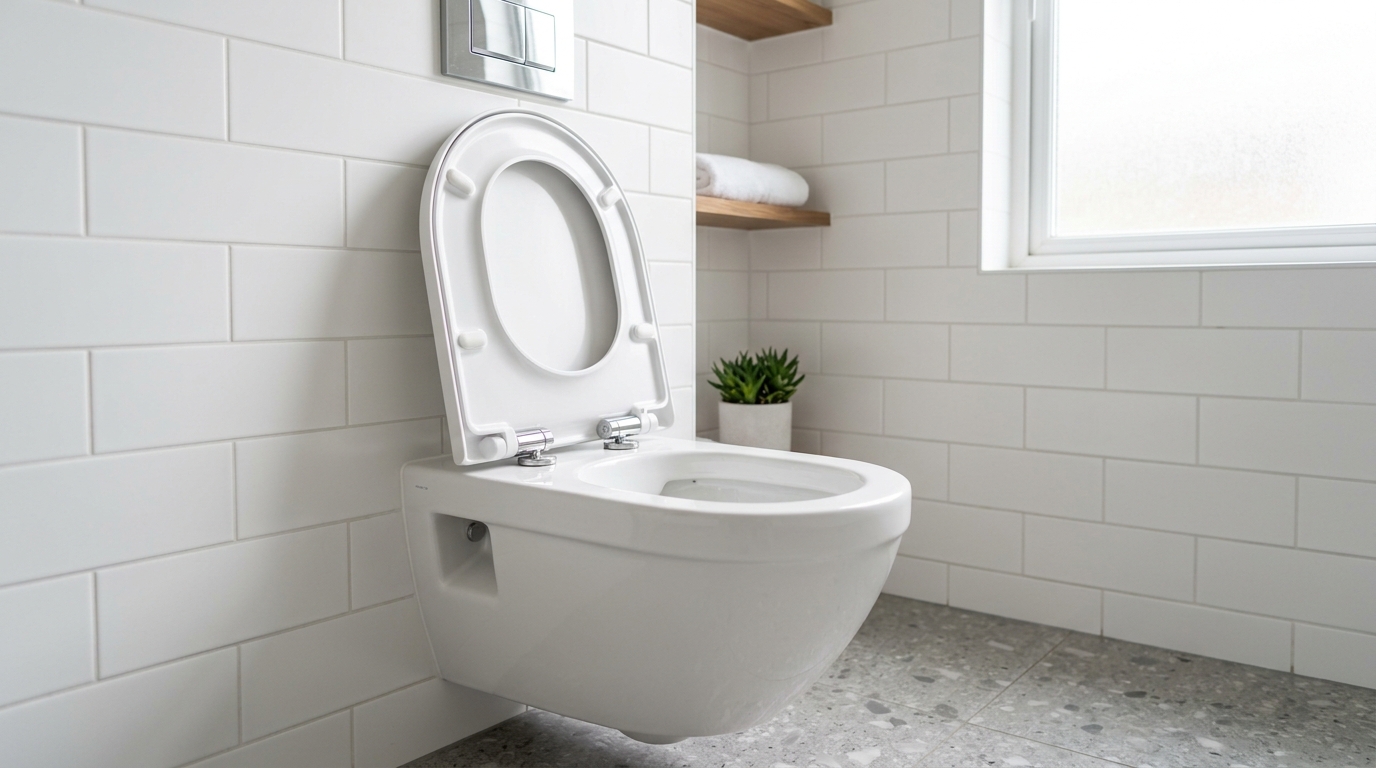
Are Toilet Seat Covers Universal in 2026? Complete Compatibility Guide
Table of Contents
- 2026 Price Guide for Toilet Seat Covers in India
- Understanding Universal vs Brand-Specific Compatibility
- How to Measure Your Toilet for the Right Seat Cover
- Common Mistakes When Buying Toilet Seat Covers
- Step-by-Step Installation Guide
- Maintenance and Longevity Tips
- How to Buy the Right Spare Part Online
- Frequently Asked Questions
When Mrs. Sharma’s toilet seat cover cracked at her Bandra West apartment last month, she wondered if any replacement would fit her 15-year-old Parryware toilet. The question of whether toilet seat covers universal compatibility exists is one that puzzles many Indian homeowners facing similar situations. While some manufacturers claim universal fitting, the reality across India’s diverse sanitaryware landscape is more nuanced. Understanding compatibility requirements can save you from costly returns and multiple plumber visits. Whether you need genuine toilet seat cover hinges and replacement parts, knowing the right specifications ensures a perfect fit every time.
2026 Price Guide for Toilet Seat Covers in India
The toilet seat cover market in India has seen significant price variations in 2026, with costs influenced by material quality, brand compatibility, and hinge mechanisms. Understanding these price tiers helps homeowners make informed decisions without overspending on unnecessary premium features.
Generic and unbranded options dominate the budget segment, typically offering basic plastic construction with simple mounting systems. These covers often claim universal compatibility but may require modifications for proper fitting.
Standard branded covers from established Indian manufacturers provide better build quality and more reliable mounting systems. Brands like Essco, ARK, and Aquel offer good value propositions with improved durability over generic alternatives.
| Category | Price Range (INR) | Brand Examples | Installation Cost | Total Cost |
|---|---|---|---|---|
| Generic/Unbranded | ₹800 – ₹1,500 | Local manufacturers, online generic | ₹300 – ₹500 | ₹1,100 – ₹2,000 |
| Standard Branded | ₹1,800 – ₹3,500 | Essco, ARK, Aquel, LnK | ₹400 – ₹600 | ₹2,200 – ₹4,100 |
| Premium Branded | ₹4,000 – ₹8,500 | Jaquar, Cera, Parryware, Hindware | ₹500 – ₹800 | ₹4,500 – ₹9,300 |
Pro Tip: Premium branded covers often include specialized hinges and mounting hardware that ensure longevity. The higher upfront cost typically pays off through reduced replacement frequency and better warranty coverage.
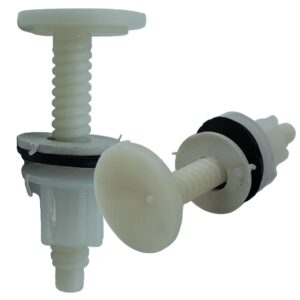
Shop These Parts on JKC Emart:
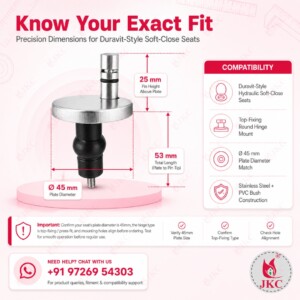
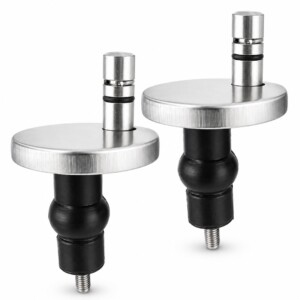
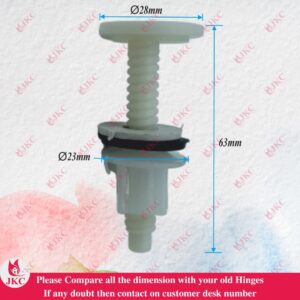
Understanding Universal vs Brand-Specific Compatibility
The concept of toilet seat covers universal fitting is largely a marketing claim that doesn’t reflect the complex reality of Indian sanitaryware standards. Most toilet bowls follow general dimensional guidelines, but critical mounting points, hole spacing, and bowl contours vary significantly between manufacturers.
Standard mounting configurations in India typically feature two-bolt systems with holes spaced 150mm to 180mm apart. However, brands like Jaquar and Kohler often use proprietary spacing that requires specific mounting hardware. Cera and Parryware models manufactured before 2020 frequently have unique bolt patterns that generic covers cannot accommodate.
The bowl shape compatibility presents another challenge for universal claims:
- Round bowls: Common in older Indian homes and budget installations
- Elongated bowls: Standard in premium residential and commercial projects
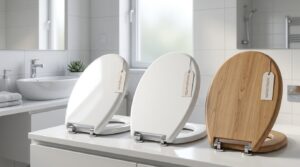
- Square/rectangular designs: Modern designer toilets with unique mounting requirements
Hinge mechanism compatibility varies dramatically between manufacturers. Traditional plastic hinges work with most standard toilets, but soft-close mechanisms require specific mounting points and clearance dimensions. Brands like Grohe and Geberit use proprietary quick-release systems that are incompatible with generic replacement parts.
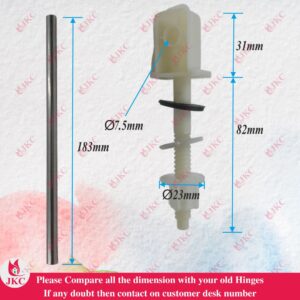
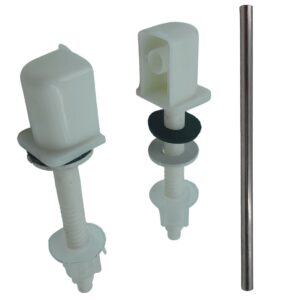
When evaluating compatible toilet seat cover hinges for major Indian brands, consider the original manufacturer’s specifications rather than relying on universal compatibility claims. This approach ensures proper fitting and long-term reliability.
Expert Insight: Approximately 70% of toilet seat cover compatibility issues in Indian homes stem from incorrect hinge selection rather than dimensional mismatches. Always verify hinge type before ordering replacement parts.
Browse Compatible Parts:
How to Measure Your Toilet for the Right Seat Cover
Accurate measurements eliminate guesswork and ensure perfect fitting when ordering toilet seat covers online. Indian homeowners can complete this process using basic household tools without requiring professional assistance.
Essential measurement points include bowl length, width, and mounting hole spacing. Start by measuring from the front edge of the toilet bowl to the center point between the mounting holes. Standard Indian toilets typically measure between 420mm to 470mm for this critical dimension.
Width measurements should be taken at the widest point of the bowl rim. Most Indian toilets range from 350mm to 380mm in width, but designer models can vary significantly. Record this measurement to ensure adequate seat coverage without overhang issues.
The mounting hole spacing requires precise measurement for proper installation:
- Locate both mounting holes at the rear of the toilet bowl
- Measure center-to-center distance between holes
- Standard spacing ranges from 150mm to 180mm in Indian models
- Note any irregularities in hole shape or size
Bowl shape assessment determines seat compatibility beyond basic dimensions. Round bowls require different seat profiles than elongated models. Use a flexible measuring tape to trace the bowl perimeter, noting any unique curves or angles that might affect seat positioning.
Clearance measurements ensure proper hinge operation and lid movement. Measure the distance from the mounting holes to any nearby walls, cabinets, or fixtures. Soft-close mechanisms require additional clearance compared to standard hinges.
Measurement Pro Tip: Take photos of your toilet from multiple angles while measuring. These images help online retailers verify compatibility and reduce the chance of ordering incorrect parts.
Common Mistakes When Buying Toilet Seat Covers
Indian homeowners frequently encounter avoidable problems when purchasing toilet seat covers, often resulting in poor fitting, premature failure, or costly returns. Understanding these common pitfalls helps ensure successful replacement projects.
Assuming universal compatibility represents the most frequent mistake among DIY homeowners. Many buyers select covers based solely on price or appearance without verifying dimensional compatibility. This approach often leads to gaps, wobbling, or complete installation failure.
Ignoring hinge type requirements causes significant installation challenges. Standard plastic hinges cannot support heavy wooden or designer seats, while soft-close mechanisms require specific mounting hardware. Mixing incompatible components results in poor performance and accelerated wear.
Common installation errors include:
- Incorrect bolt selection: Using standard bolts instead of toilet-specific hardware
- Over-tightening connections: Cracking toilet ceramic or seat mounting points
- Misaligned positioning: Creating gaps that allow movement during use
- Inadequate sealing: Allowing moisture infiltration around mounting points
Material selection mistakes often prioritize appearance over functionality. Thin plastic seats may look attractive but lack durability in high-usage environments. Conversely, heavy wooden seats require robust mounting systems that many Indian toilets cannot support without reinforcement.
Brand mixing complications arise when homeowners combine components from different manufacturers. Jaquar seats with Cera mounting hardware, for example, may physically fit but lack proper support or sealing. This mixing often voids warranties and creates long-term reliability issues.
Plumber’s Advice: Always purchase complete seat and hinge assemblies from the same manufacturer when possible. Mixed components are the leading cause of premature failure in toilet seat installations across Indian homes.
Step-by-Step Installation Guide
Professional toilet seat cover installation requires systematic approach and proper tools to ensure secure mounting and long-term reliability. Most Indian homeowners can complete this project within 30-45 minutes using standard household tools.
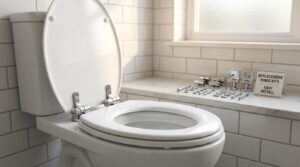
Required tools and materials include adjustable wrench, screwdriver set, measuring tape, level, and toilet-specific mounting bolts. Gather cleaning supplies to address any accumulated grime around existing mounting points before beginning work.
Preparation phase involves removing the old seat cover and thoroughly cleaning the toilet bowl rim and mounting area. Inspect existing mounting holes for damage, cracks, or irregular wear that might affect new installation quality.
Installation steps for optimal results:
- Position the new seat: Align mounting holes with toilet bowl openings
- Insert mounting bolts: Use toilet-specific hardware, not standard bolts
- Hand-tighten connections: Avoid over-tightening that can crack ceramic
- Check alignment: Ensure even gaps and proper positioning
- Test operation: Verify smooth opening, closing, and stability
- Final adjustments: Fine-tune positioning and tighten to manufacturer specifications
Soft-close mechanism installation requires additional attention to hinge positioning and clearance requirements. These systems include dampening mechanisms that must be properly aligned to function correctly. Follow manufacturer torque specifications to avoid damaging delicate internal components.
Quality verification ensures installation success and identifies potential issues before they become problems. Test the seat under normal usage conditions, checking for movement, noise, or instability. Properly installed covers should operate smoothly without wobbling or shifting during use.
Installation Tip: Apply a thin bead of clear silicone sealant around mounting points after installation. This prevents moisture infiltration and extends the life of both the seat and toilet bowl mounting area.
Maintenance and Longevity Tips
Proper maintenance significantly extends toilet seat cover lifespan while maintaining hygiene and appearance standards. Indian climate conditions, particularly high humidity and hard water, require specific care approaches for optimal performance.
Regular cleaning protocols prevent buildup of mineral deposits, soap residue, and bacterial growth that can damage seat materials and hinge mechanisms. Use mild, non-abrasive cleaners specifically formulated for toilet fixtures to avoid surface damage or discoloration.
Hard water considerations are particularly important across Indian cities where mineral content affects all plumbing fixtures. Limescale buildup around hinges can cause stiffness, noise, and premature wear. Weekly cleaning with vinegar-based solutions helps dissolve mineral deposits before they cause mechanical problems.
Weekly maintenance routine includes:
- Hinge lubrication: Apply silicone-based lubricant to moving parts
- Mounting bolt inspection: Check for looseness or corrosion
- Surface cleaning: Remove stains and disinfect all surfaces
- Alignment verification: Ensure proper positioning and stability
Soft-close mechanism care requires gentle operation and regular inspection of dampening components. Avoid forcing these mechanisms or allowing rapid closure that can damage internal springs and hydraulic elements. Clean around hinge areas monthly to prevent debris accumulation.
Seasonal considerations in Indian climates include increased attention during monsoon periods when humidity levels peak. Enhanced ventilation and more frequent cleaning prevent mold growth and material degradation. Winter months may require different cleaning products as reduced ventilation affects drying times.
Maintenance Pro Tip: Replace mounting bolts annually in coastal Indian cities where salt air accelerates corrosion. Stainless steel hardware provides better longevity than standard zinc-plated bolts in these environments.
How to Buy the Right Spare Part Online
Online purchasing of toilet seat covers requires careful attention to compatibility details and vendor reliability to ensure successful outcomes. Indian homeowners can confidently order the correct parts by following systematic verification processes.
Compatibility verification starts with identifying your toilet’s brand, model, and manufacturing year. This information typically appears on labels inside the toilet tank or on the bowl base. Cross-reference these details with manufacturer specifications before selecting replacement parts.
Measurement confirmation eliminates sizing errors that cause most online purchase problems. Upload photos of your measurements and existing toilet setup when contacting suppliers. Reputable vendors like JKC Emart provide compatibility verification services to prevent ordering mistakes.
Essential buying checklist for online purchases:
- Verify exact model compatibility: Confirm part numbers match your toilet specifications
- Check return policies: Ensure easy returns for compatibility issues
- Review customer feedback: Read reviews from buyers with similar toilet models
- Confirm shipping details: Verify delivery timelines and packaging protection
- Validate seller credentials: Choose authorized dealers with genuine part guarantees
Quality indicators help distinguish genuine parts from inferior alternatives when shopping online. Look for detailed product descriptions, multiple high-resolution photos, and clear warranty information. Genuine parts typically include manufacturer packaging and authentication features.
Price comparison strategies should consider total cost including shipping, installation hardware, and potential return expenses. The lowest price option often lacks essential mounting hardware or quality guarantees that increase overall project costs.
When you’re ready to order genuine toilet seat cover parts with pan-India shipping, choose suppliers with established track records and comprehensive customer support. This approach ensures access to technical guidance and hassle-free returns if compatibility issues arise.
Online Shopping Tip: Always order mounting hardware and sealing materials along with the seat cover. Having complete installation kits eliminates delays and ensures proper fitting from the start.
Ready to Order? Here Are the Top Picks:
Frequently Asked Questions
Are all toilet seat covers the same size in India?
No, toilet seat covers in India vary significantly in size and mounting specifications between different brands and models. While most follow general dimensional guidelines, critical measurements like mounting hole spacing, bowl length, and width differ between manufacturers like Jaquar, Cera, and Parryware. Standard Indian toilets typically measure 420-470mm in length and 350-380mm in width, but designer and premium models often have unique dimensions. Always measure your specific toilet before purchasing replacement covers to ensure proper fitting.
Can I use a Jaquar toilet seat cover on a Cera toilet?
Using a Jaquar toilet seat cover on a Cera toilet is possible but not recommended without verifying compatibility first. While both brands follow general Indian standards, they often use different mounting hole spacing, bolt sizes, and hinge mechanisms. Jaquar covers may physically fit Cera toilets but could lack proper support or sealing, leading to instability and premature wear. For best results, use brand-specific covers or verify exact dimensional compatibility before cross-brand installation.
How do I know if my toilet seat cover hinges need replacement?
Several signs indicate toilet seat cover hinges need replacement, including visible cracks in plastic components, loose or wobbly seat movement, difficulty opening or closing the lid, and rust or corrosion on metal parts. Soft-close mechanisms that slam shut or fail to close properly also require hinge replacement. If mounting bolts are loose despite tightening, or if the seat shifts during use, the hinges have likely worn beyond repair. Regular inspection every six months helps identify these issues before complete failure occurs.
What’s the difference between standard and soft-close toilet seat covers?
Standard toilet seat covers use basic plastic or metal hinges that allow free movement and can slam shut if dropped quickly. Soft-close covers incorporate dampening mechanisms, usually hydraulic or spring-based systems, that control closing speed and prevent slamming. Soft-close covers cost 40-60% more than standard versions but provide quieter operation, reduced wear on toilet fixtures, and enhanced safety by preventing finger pinching. They require specific mounting hardware and proper alignment to function correctly, making professional installation advisable for optimal performance.
How long do toilet seat covers typically last in Indian conditions?
Toilet seat covers in Indian conditions typically last 3-5 years with proper maintenance, though this varies significantly based on usage frequency, water quality, and climate factors. Hard water common in many Indian cities can reduce lifespan by 20-30% due to mineral buildup affecting hinges and mounting points. High humidity during monsoon seasons accelerates wear on plastic components, while frequent use in joint family homes increases mechanical stress. Premium branded covers with quality materials and proper maintenance can last 7-8 years, while budget options may require replacement within 2-3 years.
Conclusion
Understanding toilet seat cover compatibility eliminates the frustration of poor-fitting replacements and ensures long-lasting installations in Indian homes. While true universal compatibility remains elusive across diverse sanitaryware brands, proper measurement and brand-specific selection guarantee successful outcomes. The investment in quality covers and professional installation pays dividends through enhanced durability and reliable performance.
JKC Emart’s comprehensive selection of genuine toilet seat covers and mounting hardware serves homeowners across India with authentic parts for all major brands. Our expert customer support team helps verify compatibility before purchase, reducing returns and ensuring perfect fits. With pan-India free shipping above ₹499, 7-day easy returns, and availability on Amazon India, getting the right parts has never been more convenient.
Whether you’re replacing worn hinges in a Mumbai high-rise or upgrading covers in a Vadodara bungalow, choosing genuine quality parts ensures years of trouble-free operation. Professional installation guidance and comprehensive warranties provide additional peace of mind for every purchase. Browse All Spare Parts at JKC Emart to find exactly what your bathroom needs today.


About author




Add comment
You must be logged in to post a comment.