
Complete Guide to Toilet Seat Fittings Names & Parts 2026 | JKC Emart
Table of Contents
- 2026 Toilet Seat Fittings Price Guide
- Complete List of Toilet Seat Parts and Fitting Names
- Types of Toilet Seat Hinge Mechanisms
- Mounting Hardware and Fastening Components
- Buffer and Damper Systems
- Brand Compatibility Guide for Indian Sanitaryware
- How to Buy the Right Spare Part Online
- Frequently Asked Questions
When Mrs. Sharma from Bandra East called her local plumber about her wobbly toilet seat, he quoted ₹1,200 just for the visit and part identification. Like many Mumbai homeowners dealing with loose or broken toilet seat fittings, she discovered that knowing the correct **toilet seat fittings names** could save both time and money. Understanding these component names helps you order the exact replacement parts online and avoid unnecessary plumber visits. Whether you need to shop for toilet seat cover hinges or identify specific mounting hardware, knowing the proper terminology is essential for Indian homeowners managing their bathroom maintenance in 2026.
2026 Toilet Seat Fittings Price Guide
The cost of toilet seat fittings in India varies significantly based on quality tier and brand compatibility. Understanding these price ranges helps homeowners budget appropriately for their bathroom repairs and choose the right quality level for their needs.
| Component Type | Generic/Local (₹) | Standard Brands (₹) | Premium Brands (₹) | Installation Cost (₹) |
|---|---|---|---|---|
| Complete Hinge Set | 150-250 | 300-600 (Essco, ARK) | 800-1,500 (Jaquar, Cera) | 200-400 |
| Mounting Bolts & Nuts | 50-80 | 120-200 (Parryware, Hindware) | 250-400 (Kohler, Grohe) | 150-300 |
| Buffer Pads/Dampers | 30-60 | 80-150 (ESS ESS, Marc) | 180-350 (Duravit, Roca) | 100-200 |
| Pivot Pins | 25-45 | 60-120 (Aquel, Aris) | 150-280 (American Standard) | 120-250 |
| Complete Fitting Kit | 200-350 | 400-800 (Johnson, Jal) | 1,000-2,200 (Geberit, Nelson) | 300-600 |
The pricing reflects the current 2026 market conditions with raw material inflation impacting costs across all categories. Premium brands offer better corrosion resistance and longer warranty periods, making them cost-effective for high-usage bathrooms.
Key factors affecting toilet seat fitting prices include:
- Material quality – Stainless steel vs plastic vs brass components
- Brand compatibility – Original manufacturer parts vs universal fittings
- Soft-close mechanism – Standard hinges vs hydraulic damper systems
Pro Tip: Always factor in installation costs when comparing online prices. Many Mumbai and Delhi plumbers charge ₹300-500 just for toilet seat fitting replacement, making DIY installation attractive for mechanically inclined homeowners.
Shop These Parts on JKC Emart:
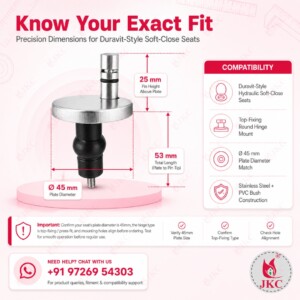
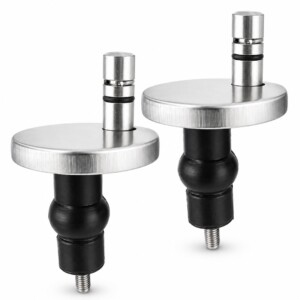
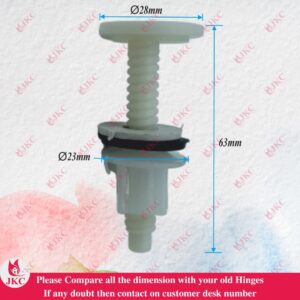
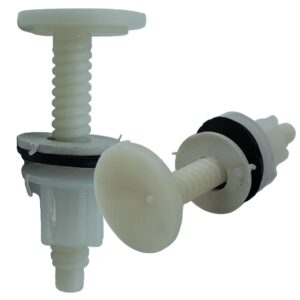
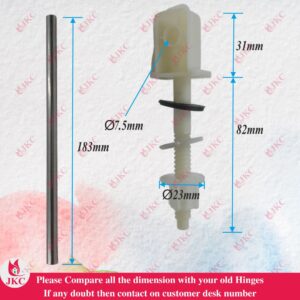
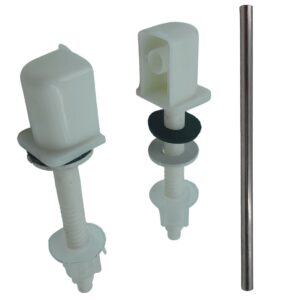
Complete List of Toilet Seat Parts and Fitting Names
Understanding the comprehensive list of toilet seat component names empowers homeowners to communicate effectively with suppliers and order the correct replacement parts. Each component serves a specific function in the overall toilet seat assembly mechanism.
The primary structural components include several critical elements:
Hinge Assembly Components:
- Pivot hinges – The main rotating mechanism connecting seat to toilet bowl
- Hinge plates – Metal or plastic mounting surfaces attached to toilet rim
- Pivot pins – Central rotating shafts allowing seat movement
- Hinge bushings – Wear-resistant sleeves protecting pivot points
Mounting Hardware Names:
- Toilet bolts – Threaded fasteners securing hinges to toilet bowl
- Wing nuts – Hand-tightened nuts for easy removal
- Washers – Rubber or plastic spacers preventing damage
- Mounting brackets – Support structures for heavy-duty installations
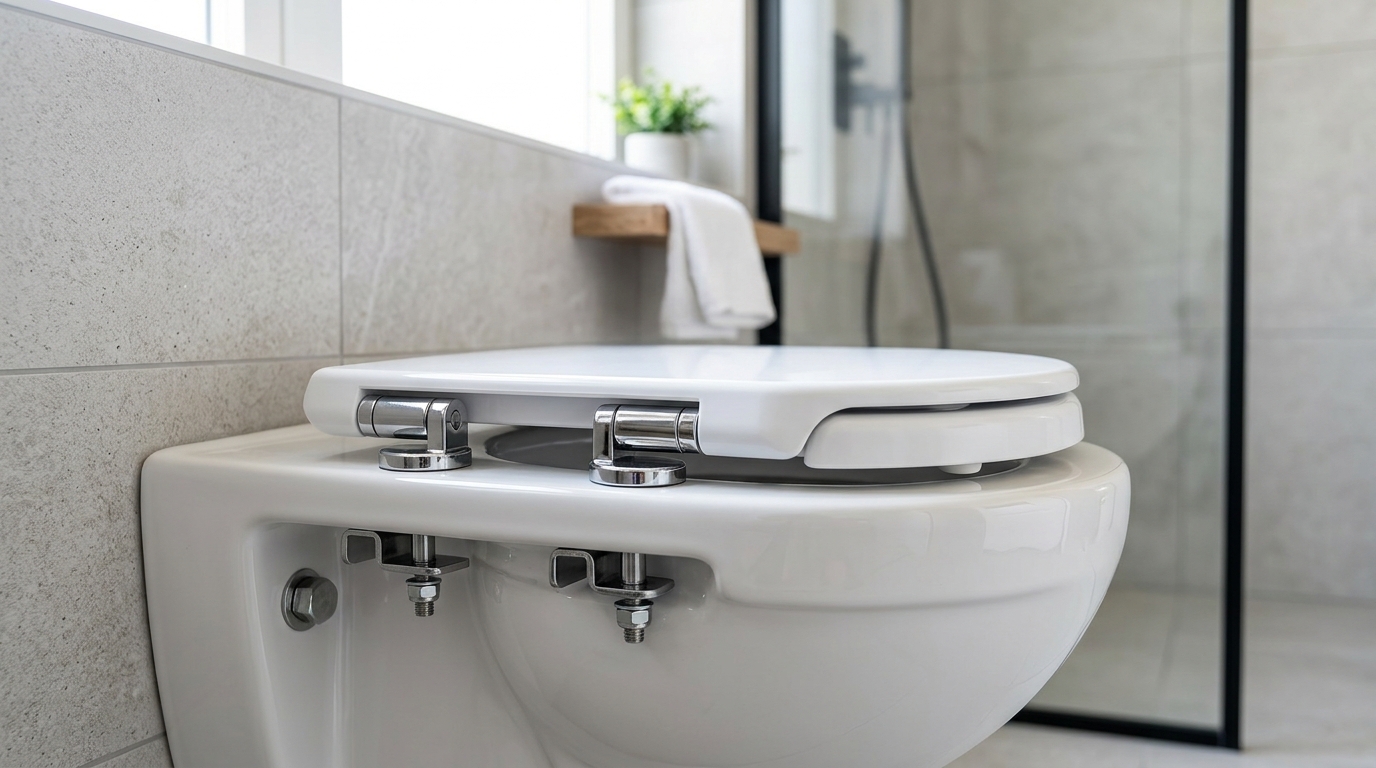
The fastening system requires specific terminology knowledge. **Top-fix bolts** secure from above the toilet rim, while **bottom-fix bolts** require under-rim access for installation. Many Indian bathrooms use top-fix systems for easier maintenance access.
Installation Insight: Bangalore plumbers recommend noting your current fitting type before ordering replacements. Switching from top-fix to bottom-fix mounting often requires additional tools and expertise.
When ordering parts, you’ll also encounter these specialized component names. Browse genuine toilet seat hinges to see how manufacturers label their specific components for easy identification.
Types of Toilet Seat Hinge Mechanisms
Different hinge mechanism types require specific terminology and replacement approaches. Understanding these variations helps homeowners identify their exact system type and order compatible replacement components for their Indian sanitaryware brands.
Standard Plastic Hinges:
Most budget and mid-range Indian toilet seats use **plastic pivot hinges** with simple rotation mechanisms. These hinges feature **nylon bushings** and **plastic pivot pins** that wear over time with regular use.
- Single-pivot design – One central rotation point per hinge
- Dual-pivot system – Two rotation points for enhanced stability
- Quick-release mechanism – Push-button removal for cleaning
Metal Hinge Systems:
Premium installations use **stainless steel hinges** or **brass-plated mechanisms** for enhanced durability. These systems include **metal pivot pins**, **steel washers**, and **corrosion-resistant coatings** suitable for Indian humidity conditions.
The metal hinge components have specific names:
- Stainless steel pivot shafts – Rust-resistant central rotating elements
- Brass bushings – Long-wearing sleeve components
- Chrome-plated housings – Decorative and protective outer shells
Soft-Close Hinge Mechanisms:
Modern toilet seats feature **hydraulic damper systems** that prevent slamming. These mechanisms include **oil-filled cylinders**, **spring-loaded pistons**, and **adjustable damping rates** for customized closing speeds.
Technical Note: Soft-close mechanisms require specific replacement parts that match the original damping specifications. Generic dampers often fail to provide proper closing control in Indian climate conditions.
Identifying your hinge type accurately ensures compatibility with replacement parts. Chennai homeowners frequently encounter issues when mixing different hinge mechanism types during DIY repairs.
Quick-Release vs Fixed Hinge Systems
**Quick-release hinges** feature **push-button mechanisms** or **twist-lock systems** allowing easy seat removal for thorough cleaning. The components include **release buttons**, **locking tabs**, and **spring-loaded catches** that require specific replacement terminology.
**Fixed hinge systems** use **permanent mounting bolts** and require complete disassembly for seat removal. These systems include **security bolts**, **tamper-resistant fasteners**, and **permanent thread-locking compounds** for public restroom applications.
Browse Compatible Parts:
Mounting Hardware and Fastening Components
The mounting hardware system includes numerous components with specific names that homeowners must understand for successful replacement projects. Each fastening element serves a critical role in securing toilet seats to various Indian sanitaryware designs.
Primary Fastening Components:
The **toilet seat bolts** form the foundation of any mounting system. These threaded fasteners come in standard lengths of **6mm, 8mm, and 10mm diameter** with **metric threading** common in Indian installations.
- Hex head bolts – Require Allen wrench for installation
- Phillips head bolts – Standard screwdriver compatibility
- Slotted bolts – Traditional flat-head screwdriver design
- Wing bolts – Hand-tightened without tools
Nut and Washer Systems:
Each bolt requires corresponding **toilet seat nuts** for secure fastening. The **wing nut design** allows hand-tightening, while **hex nuts** require wrench tools for proper installation torque.
The washer components include several specialized types:
- Rubber washers – Provide waterproof sealing and vibration dampening
- Nylon washers – Prevent scratching of toilet bowl surfaces
- Metal washers – Distribute load across mounting surfaces
- Composite washers – Combine sealing and load distribution properties
Specialized Mounting Hardware:
Modern toilet seat installations often require **expansion anchors** for hollow toilet bowl designs. These components include **toggle bolts**, **molly bolts**, and **snap anchors** that expand behind the mounting surface.
Installation Warning: Delhi plumbers report frequent cracking of toilet bowls when homeowners overtighten mounting bolts. Always use appropriate torque specifications for ceramic sanitaryware.
The **toilet seat spacers** maintain proper gap distances between seat and bowl rim. These components prevent binding and ensure smooth operation of hinge mechanisms throughout their service life.
Thread Types and Compatibility
Indian sanitaryware uses **metric threading** predominantly, with **M6 x 1.0** and **M8 x 1.25** being the most common specifications. Understanding thread pitch ensures proper bolt engagement without cross-threading damage.
**Coarse thread bolts** provide better holding power in softer materials, while **fine thread bolts** offer superior precision in metal mounting brackets. Always match the original thread specification when ordering replacement hardware.
Buffer and Damper Systems
Buffer and damper systems prevent toilet seat slamming while providing controlled closing action. These components have specific technical names that homeowners need to understand when ordering replacement parts for their bathroom fixtures.
Hydraulic Damper Components:
The **hydraulic cylinder** contains **viscous damping fluid** that controls closing speed through **precision orifices**. These systems include **piston assemblies**, **seal rings**, and **pressure chambers** that work together for smooth operation.
- Damping cylinder – Main fluid-filled chamber providing resistance
- Piston rod – Connects seat movement to internal damping mechanism
- Valve assembly – Controls fluid flow rate for closing speed adjustment
- Seal kit – Prevents fluid leakage and maintains system pressure
Pneumatic Buffer Systems:
Air-based damping systems use **compressed air chambers** and **air flow restrictors** to control seat closing speed. These mechanisms include **air cylinders**, **needle valves**, and **pressure relief systems** for consistent performance.
The pneumatic components require specific maintenance:
- Air chamber – Sealed volume providing damping resistance
- Flow control valve – Adjustable restriction for closing speed
- Pressure equalization port – Prevents vacuum formation during operation
- Diaphragm seal – Maintains air pressure while allowing movement
Mechanical Buffer Systems:
Simple **spring-loaded buffers** and **friction dampers** provide basic closing control without fluid systems. These mechanisms use **compression springs**, **friction pads**, and **adjustable tension screws** for customizable damping action.
Maintenance Tip: Hyderabad humidity can affect hydraulic damper performance over time. Annual inspection of seal integrity prevents sudden damper failure and seat slamming issues.
Soft-Close Mechanism Troubleshooting
Common soft-close system failures include **fluid leakage**, **seal deterioration**, and **spring fatigue**. Identifying these component failures by their proper names helps homeowners order specific replacement parts rather than complete hinge assemblies.
**Damper fluid replacement** requires **compatible hydraulic oil** with proper viscosity ratings for Indian temperature ranges. Using incorrect fluids can cause erratic closing behavior or complete damper failure.
Brand Compatibility Guide for Indian Sanitaryware
Indian sanitaryware brands use varying toilet seat mounting specifications, making compatibility knowledge essential for successful replacement projects. Understanding brand-specific fitting requirements prevents ordering incorrect parts and ensures proper installation results.
Jaquar Compatibility Requirements:
Jaquar toilet seats typically use **M8 x 1.25 threading** with **185mm center-to-center spacing** for hinge mounting points. Their premium models feature **quick-release mechanisms** with **proprietary locking tabs** that require genuine replacement parts.
- Standard models – Use universal 6mm bolt systems with plastic hinges
- Premium range – Require stainless steel hardware with soft-close dampers
- Commercial series – Feature heavy-duty mounting with security bolts
Cera and Parryware Specifications:
Both brands commonly use **150mm mounting spacing** with **M6 x 1.0 threading** for residential installations. Their hinge systems accommodate **standard wing nuts** and **rubber washer seals** for DIY-friendly maintenance.
Hindware and ESS ESS Systems:
These brands favor **adjustable mounting brackets** that accommodate **140-190mm spacing variations**. Their toilet seat fittings include **slotted mounting holes** for precise alignment during installation.
Brand-specific requirements include:
- Hindware – Uses plastic pivot pins with metal hinge plates
- ESS ESS – Features brass-plated hardware for corrosion resistance
- Marc – Incorporates quick-disconnect systems for easy cleaning
- Essco – Utilizes universal mounting compatible with multiple brands
International Brand Compatibility:
**Kohler, Grohe, and Duravit** toilet seats require **metric hardware** despite their international origins. **American Standard** models may use **imperial threading** requiring specific bolt specifications.
Compatibility Warning: Mixing brands often results in poor fit and premature failure. Pune homeowners frequently encounter alignment issues when using universal parts with premium brand toilets.
Universal vs Brand-Specific Parts
**Universal toilet seat fittings** accommodate multiple brand specifications through **adjustable mounting systems** and **variable spacing brackets**. However, these solutions may compromise the precision fit achieved with **brand-specific replacement parts**.
**OEM (Original Equipment Manufacturer) parts** guarantee perfect compatibility but cost more than universal alternatives. Consider the toilet’s age and expected service life when choosing between options.
How to Buy the Right Spare Part Online
Purchasing toilet seat fittings online requires systematic approach to ensure compatibility and avoid costly returns. Following these practical guidelines helps Indian homeowners confidently order the correct components without professional assistance.
**Step 1: Measure Your Current Installation**
Use a measuring tape to determine **center-to-center distance** between existing hinge mounting points. Most Indian toilets use **150mm, 165mm, or 185mm spacing** – record this measurement precisely for online ordering.
- Bolt hole diameter – Measure existing holes with calipers or drill bits
- Mounting depth – Check toilet rim thickness for proper bolt length
- Hinge clearance – Ensure adequate space for new hinge operation
**Step 2: Identify Your Brand and Model**
Check for **manufacturer markings** on the toilet bowl or existing seat hinges. Look for **model numbers**, **brand logos**, or **date codes** that help identify compatible replacement parts.
**Step 3: Photograph Current Components**
Take clear photos of existing hinges, bolts, and mounting hardware from multiple angles. These images help online suppliers recommend compatible replacement components and verify proper part selection.
**Step 4: Check Material Requirements**
Consider your bathroom’s **humidity levels** and **usage frequency** when selecting materials. **Stainless steel components** suit high-humidity coastal cities, while **brass-plated parts** work well in standard residential applications.
Material selection guidelines:
- Plastic hinges – Budget-friendly for light residential use
- Metal hinges – Durable for high-traffic family bathrooms
- Composite materials – Balance cost and performance effectively
**Step 5: Verify Return Policies**
Choose suppliers offering **easy return policies** for incorrect parts. Order genuine toilet seat fittings from JKC Emart with confidence knowing their 7-day return policy protects your purchase.
**Step 6: Consider Complete Kits vs Individual Components**
**Complete replacement kits** include all necessary hardware but cost more than individual components. Evaluate whether partial replacement meets your needs or complete system upgrade provides better long-term value.
Online Shopping Tip: Read customer reviews specifically mentioning your toilet brand and model. Kolkata homeowners often share compatibility experiences that guide successful part selection for similar installations.
Ready to Order? Here Are the Top Picks:
Frequently Asked Questions
What are the most common toilet seat fitting names I should know?
The essential toilet seat fitting names include **hinge assemblies**, **pivot pins**, **mounting bolts**, **wing nuts**, **washers**, and **buffer pads**. For soft-close mechanisms, you’ll encounter **hydraulic dampers**, **piston assemblies**, and **seal kits**. Understanding these terms helps you communicate effectively with suppliers and order the correct replacement components. Indian homeowners should also know **quick-release mechanisms**, **mounting brackets**, and **spacer washers** as these components frequently require replacement in our humid climate conditions.
How do I identify if my toilet seat uses top-fix or bottom-fix mounting?
**Top-fix mounting** allows you to see and access the mounting bolts from above the toilet rim, making installation easier without requiring under-rim access. **Bottom-fix mounting** hides the fastening hardware beneath the toilet rim, requiring you to reach underneath for installation and adjustment. Check your current installation by looking at the toilet rim – if you can see bolt heads or wing nuts on top, you have top-fix mounting. If the mounting area appears clean with no visible hardware, you likely have bottom-fix mounting that requires accessing bolts from underneath the bowl.
Can I replace toilet seat hinges with different brand parts?
While **universal toilet seat hinges** claim compatibility across brands, the best results come from using **brand-specific replacement parts** that match your toilet’s original specifications. Mixing brands can cause alignment issues, poor fit, and premature failure due to different mounting hole spacing and hardware specifications. If you must use universal parts, carefully measure your **center-to-center spacing** and **bolt hole diameter** to ensure proper fit. Premium brands like Jaquar, Cera, and Parryware often have proprietary mounting systems that require their specific replacement components for optimal performance.
What’s the difference between plastic and metal toilet seat fittings?
**Plastic toilet seat fittings** cost less and resist corrosion but wear faster under heavy use and may crack in extreme temperatures. **Metal fittings** (stainless steel or brass) provide superior durability, better load distribution, and longer service life but cost more initially. In Indian conditions, metal fittings perform better in high-humidity coastal areas and commercial applications. Plastic fittings work adequately for residential use with moderate traffic. Consider your bathroom’s usage frequency, humidity levels, and budget when choosing between materials for optimal long-term performance.
How often should I replace toilet seat fittings and components?
**Standard plastic hinges** typically last 2-3 years with regular residential use, while **metal hinges** can serve 5-7 years or longer with proper maintenance. **Soft-close dampers** may need replacement every 3-4 years as seals deteriorate and fluid leaks occur. **Mounting bolts and nuts** should be inspected annually for corrosion or loosening, especially in coastal cities with high humidity. Replace components immediately if you notice **seat wobbling**, **slamming**, **difficulty opening/closing**, or **visible cracks** in plastic parts. Regular maintenance and timely replacement prevent damage to your toilet bowl and ensure safe, comfortable operation.
Conclusion
Understanding toilet seat fittings names empowers Indian homeowners to maintain their bathrooms efficiently and cost-effectively in 2026. From basic **hinge assemblies** and **mounting bolts** to sophisticated **soft-close dampers** and **quick-release mechanisms**, knowing the correct terminology helps you order precise replacement parts and avoid expensive plumber visits. Whether you’re dealing with a wobbly seat in your Vadodara home or upgrading to premium soft-close hinges in your Mumbai apartment, this comprehensive guide provides the knowledge needed for successful DIY bathroom maintenance.
JKC Emart specializes in providing genuine toilet seat fittings compatible with all major Indian sanitaryware brands including Jaquar, Cera, Parryware, Hindware, and many others. With pan-India free shipping above ₹499, 7-day easy returns, and availability on Amazon India, getting the right parts for your toilet seat repairs has never been easier. Our expert customer support team at +91 97269 54303 can help identify the exact components you need based on your toilet brand and model specifications.
Don’t let a loose toilet seat disrupt your daily routine or force you into expensive emergency plumber calls. Armed with the proper fitting names and component knowledge from this guide, you can confidently maintain your bathroom fixtures and ensure long-lasting, comfortable operation for your family’s needs.
About author


Add comment
You must be logged in to post a comment.