
How to Use Toilet Seat Hinge Bolts 2026 | Installation Guide India
Table of Contents
- Toilet Seat Hinge Bolts Price Guide 2026
- Step-by-Step DIY Installation Guide
- Brand Compatibility Guide for Indian Sanitaryware
- How to Identify the Right Hinge Bolts
- Common Installation Mistakes to Avoid
- Signs You Need New Toilet Seat Hinge Bolts
- How to Buy the Right Spare Part Online
- Frequently Asked Questions
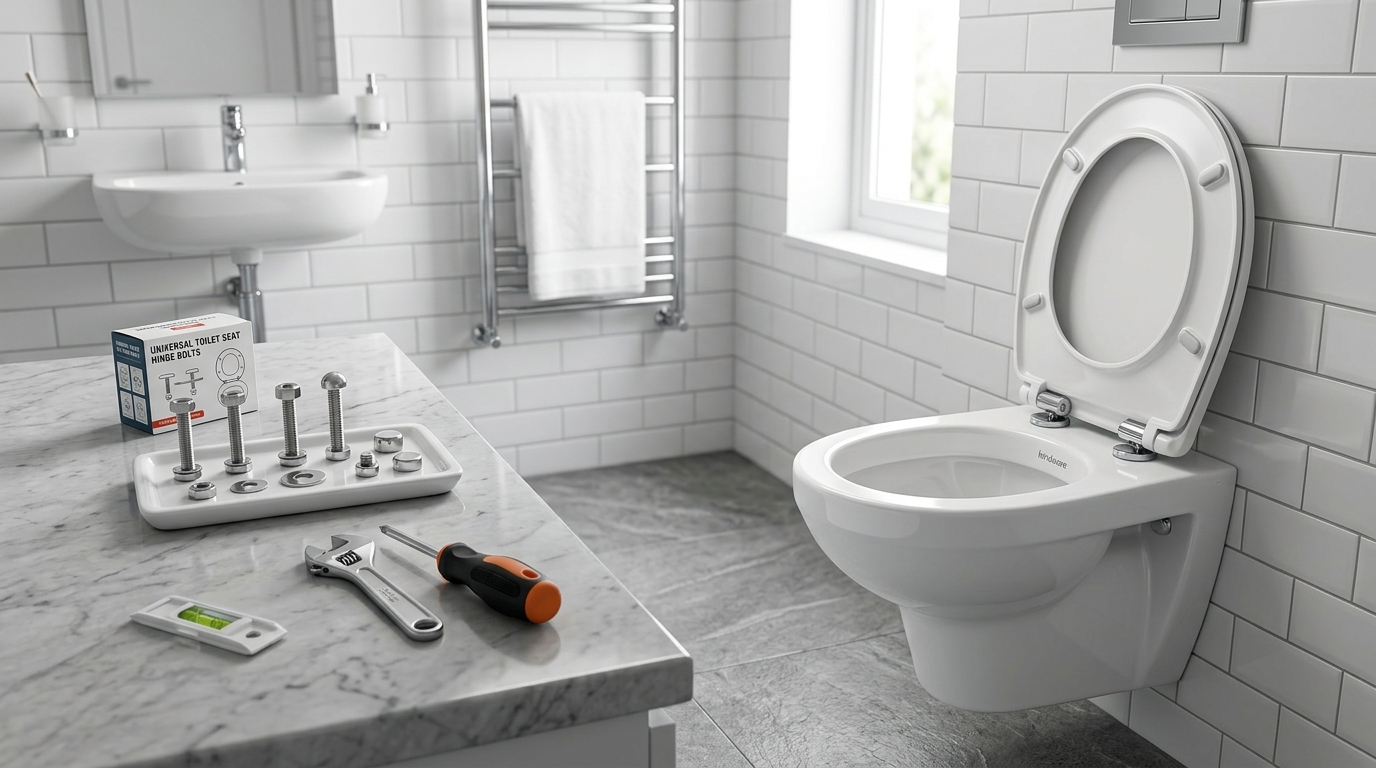
When your toilet seat keeps sliding or wobbling despite repeated adjustments, the culprit is often worn-out hinge bolts underneath. Last month, a homeowner in Vadodara’s Alkapuri area discovered this exact issue after months of frustration with their Parryware toilet seat. Toilet seat hinge bolts installation might seem intimidating, but with the right approach and quality parts, it’s a straightforward DIY repair that saves both money and plumber visit charges. Whether you’re dealing with plastic bolts that have snapped or metal ones corroded by hard water, understanding proper installation techniques ensures your toilet seat stays secure for years. You can shop genuine toilet seat hinge bolts and replacement parts that fit all major Indian sanitaryware brands perfectly.
Toilet Seat Hinge Bolts Price Guide 2026
Understanding current market rates helps you budget effectively for your toilet seat repair project. The 2026 pricing landscape reflects both material cost increases and improved quality standards across different product tiers. Here’s what Indian homeowners can expect to pay:
| Quality Tier | Price Range (INR) | Brand Examples | Material | Installation Cost | Total Cost |
|---|---|---|---|---|---|
| Generic/Basic | ₹45 – ₹85 | Local unbranded, basic plastic | Standard plastic | ₹150 – ₹200 | ₹195 – ₹285 |
| Standard/Mid-Range | ₹120 – ₹280 | Essco, ARK, Johnson | Reinforced plastic/brass | ₹200 – ₹250 | ₹320 – ₹530 |
| Premium/Branded | ₹350 – ₹650 | Jaquar, Cera, Parryware, Hindware | Stainless steel/brass | ₹250 – ₹300 | ₹600 – ₹950 |
The premium tier offers superior corrosion resistance, especially important in Indian bathrooms with high humidity levels. Stainless steel bolts from established brands like Jaquar and Cera typically last 8-10 years compared to 2-3 years for basic plastic variants.
Pro Tip: Always buy bolts in sets of 2-4 pieces, as toilet seats require matching pairs. Single bolt replacements often result in uneven wear and premature failure of the remaining original hardware.
Material costs have increased by approximately 12% in 2026 due to rising steel and polymer prices. However, investing in quality bolts reduces long-term replacement frequency and plumber call-out charges.
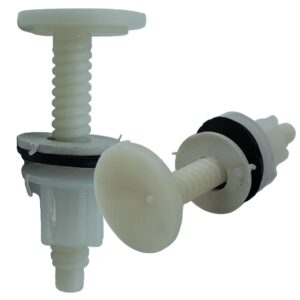
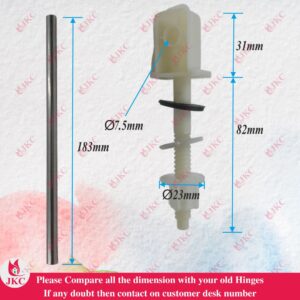
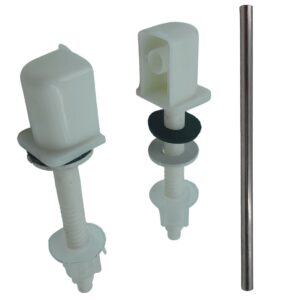
Shop These Parts on JKC Emart:
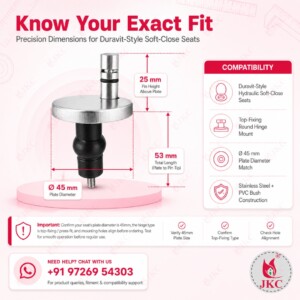
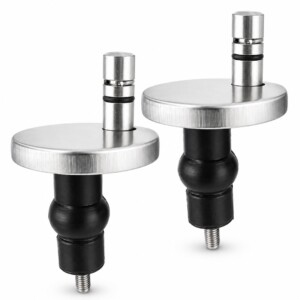
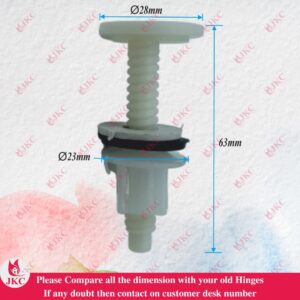
Step-by-Step DIY Installation Guide
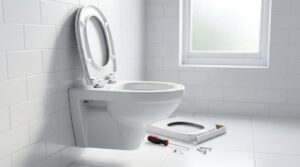
Proper installation ensures your toilet seat remains stable and secure for years. This comprehensive guide covers everything from tool preparation to final testing. Most homeowners can complete this repair in 15-20 minutes with basic tools.
Tools and Materials Required
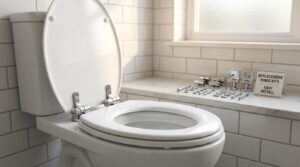
Before starting, gather these essential items:
- Adjustable wrench (8-10 inch recommended)
- Flat-head screwdriver (medium size)
- Phillips head screwdriver
- Needle-nose pliers for tight spaces
- Penetrating oil (WD-40 or similar)
- Clean cloth or paper towels
- New hinge bolts and washers
Phase 1: Preparation and Removal
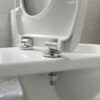
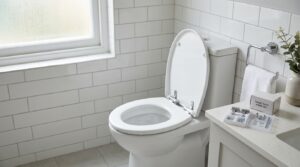
Start by lifting the toilet seat and lid to access the hinge area. Look for the bolt heads underneath the toilet bowl rim – they’re typically located at the back where the seat connects. Clean the area thoroughly to remove any buildup or debris.
Apply penetrating oil to old bolts if they appear corroded or stuck. Allow 5-10 minutes for the oil to work before attempting removal. This step is crucial in older Indian homes where hard water has caused mineral buildup.
- Hold the bolt head steady with pliers from underneath
- Turn the top nut counterclockwise using your wrench
- Remove washers and note their positioning for reassembly
Phase 2: Installing New Hinge Bolts
Thread the new bolt through the toilet seat hinge hole from the top. Ensure the bolt passes completely through both the seat hinge and the toilet bowl mounting hole. The bolt should sit flush without forcing or cross-threading.
Place the rubber washer on the bolt underneath the toilet bowl. This washer prevents water damage and provides cushioning. Add the metal washer next, followed by the nut.
Installation Tip: Hand-tighten the nut first, then use the wrench for final tightening. Over-tightening can crack porcelain or strip plastic threads, especially on older Indian sanitaryware.
Phase 3: Final Adjustment and Testing
Test the seat movement by opening and closing it several times. The seat should move smoothly without wobbling or binding. Check that both sides are evenly tightened to prevent uneven wear.
Verify that the seat sits level when closed and doesn’t shift during normal use. Make minor adjustments as needed, but avoid over-tightening which can damage the toilet bowl or seat material.
Browse Compatible Parts:
Brand Compatibility Guide for Indian Sanitaryware
Understanding brand-specific requirements ensures you select the correct hinge bolts for your toilet seat. Indian sanitaryware manufacturers often use proprietary sizing and threading, making compatibility crucial for successful installation. Here’s what works with major brands across the country.
Jaquar toilet seats typically use 6mm diameter bolts with fine threading. Their premium models from 2024-2026 feature brass inserts that require stainless steel bolts to prevent galvanic corrosion. Standard bolt length is 65-70mm for most Jaquar models.
Cera and Parryware seats commonly use 5.5mm bolts with coarse threading. These brands often include rubber gaskets in their original hardware, which should be replaced during bolt replacement. You can find genuine Cera and Parryware compatible hinge bolts that match original specifications exactly.
- Hindware: 6mm fine thread, 60-65mm length, includes nylon washers
- American Standard: 6.5mm coarse thread, 70-75mm length, metal washers
- Kohler: 6mm fine thread, 65mm length, rubber gasket system
- ESS ESS: 5.5mm coarse thread, 60mm length, plastic washers
Regional Brand Variations
Northern Indian markets often stock different bolt specifications compared to southern regions. Mumbai and Delhi distributors typically carry metric threading, while Chennai and Bangalore markets may include both metric and imperial options for imported brands.
Local brands like Johnson, Jal, and LnK use standardized 5.5mm bolts across most models. These brands prioritize affordability and typically include basic plastic washers rather than rubber gaskets.
Compatibility Warning: Never force bolts that don’t thread easily. Cross-threading damages both the bolt and toilet bowl, requiring expensive repairs. Always test-fit bolts before final installation.
How to Identify the Right Hinge Bolts
Selecting the correct hinge bolts requires measuring existing hardware and understanding your toilet seat’s specific requirements. Many homeowners purchase incorrect bolts, leading to installation problems and premature failure. This systematic approach ensures perfect compatibility.
Measuring Bolt Specifications
Start by measuring the bolt diameter using calipers or a ruler. Most Indian toilet seats use either 5.5mm or 6mm bolts, though some premium models require 6.5mm. Measure at the threaded section, not the head, for accuracy.
Bolt length varies significantly between brands and toilet bowl designs. Measure from the underside of the bolt head to the tip of the threads. Standard lengths range from 55mm to 75mm, with most falling between 60-70mm.
- Short bolts (55-60mm): Wall-mounted toilets, thin ceramic bowls
- Medium bolts (60-70mm): Standard floor-mounted toilets, most common
- Long bolts (70-75mm): Thick ceramic bowls, commercial installations
Thread Pattern Recognition
Indian sanitaryware uses both fine and coarse thread patterns. Fine threads provide better holding power but require more turns to install. Coarse threads install quickly but may loosen over time in high-use applications.
Test thread compatibility by hand-threading the bolt into the existing nut or seat hinge. Proper threads will turn smoothly without binding or resistance. If the bolt won’t thread by hand, the pitch is incorrect.
Identification Tip: Take a clear photo of your existing bolt next to a ruler before shopping. This visual reference helps online retailers recommend the correct replacement parts.
Material and Finish Matching
Match bolt material to your bathroom’s humidity level and water quality. Coastal areas like Mumbai and Chennai require stainless steel or brass bolts due to salt air corrosion. Inland cities can use high-quality plastic bolts for budget-conscious repairs.
Consider the toilet seat material when selecting bolts. Heavy wooden seats require stronger metal bolts, while lightweight plastic seats work well with reinforced plastic hardware. Color-matching isn’t critical since bolts remain hidden during normal use.
Common Installation Mistakes to Avoid
Even experienced DIY homeowners make critical errors during toilet seat hinge bolt installation. These mistakes can damage expensive sanitaryware, create safety hazards, or result in premature failure requiring costly re-repairs. Learning from others’ experiences saves time, money, and frustration.
Over-Tightening and Cross-Threading
The most frequent mistake involves applying excessive torque during installation. Indian porcelain toilets, especially older models, can crack under excessive pressure. Over-tightening also strips plastic threads in budget toilet seats, making future adjustments impossible.
Cross-threading occurs when bolts are forced into misaligned holes. This damages both the bolt threads and the receiving threads, requiring complete hardware replacement. Always start threading by hand to ensure proper alignment before using tools.
- Hand-tighten bolts until snug, then add only 1/4 turn with tools
- Stop immediately if resistance increases suddenly during threading
- Back out and restart if the bolt doesn’t thread smoothly from the beginning
Incorrect Washer Placement and Sequencing
Washer placement directly affects both seal integrity and bolt longevity. Many homeowners install washers in the wrong order or omit them entirely, leading to water damage and loose connections. The correct sequence from top to bottom is: bolt head, toilet seat, rubber washer, toilet bowl, metal washer, nut.
Mixing different washer materials can cause galvanic corrosion in metal bolt systems. Always use washers made from compatible materials – rubber with stainless steel, nylon with plastic bolts, and metal with brass hardware.
Ignoring Water Quality and Climate Factors
Indian water conditions vary dramatically between regions, affecting bolt material selection. Hard water areas like Delhi and Gurgaon require corrosion-resistant materials, while coastal humidity demands different protection strategies.
Climate Consideration: Monsoon humidity can accelerate corrosion in metal bolts. Apply a thin coat of marine-grade grease to threads in high-humidity areas like Kerala and coastal Karnataka.
Using Incorrect Tools and Techniques
Power tools should never be used for toilet seat bolt installation. The high torque can instantly crack porcelain or strip threads before you realize the damage. Hand tools provide the necessary control for delicate sanitaryware installation.
Failing to support the toilet bowl during installation can stress mounting points. Always brace the bowl from behind when applying force to prevent movement that could damage wax seals or floor connections.
Signs You Need New Toilet Seat Hinge Bolts
Recognizing early warning signs prevents complete toilet seat failure and potential bathroom accidents. Many homeowners ignore subtle symptoms until catastrophic failure occurs, often resulting in damaged sanitaryware or personal injury. Regular inspection and proactive replacement ensure bathroom safety and functionality.
Physical Deterioration Indicators
Visible rust or corrosion on metal bolts indicates immediate replacement needs. Indian bathroom humidity accelerates metal degradation, especially on lower-quality bolts. White or green deposits around bolt heads signal advanced corrosion that compromises structural integrity.
Plastic bolt cracking typically starts at stress concentration points near the head or threads. These hairline cracks propagate rapidly under load, leading to sudden failure. Inspect plastic bolts monthly in high-use bathrooms or homes with children.
- Rust stains on toilet bowl or seat material
- Visible cracks in plastic bolt heads or shafts
- Stripped or damaged thread patterns
- Bent or deformed bolt shafts
- Missing or deteriorated washers and gaskets
Performance and Safety Warning Signs
Toilet seat movement during normal use indicates loose or worn bolts. This wobbling can worsen rapidly, potentially causing falls or injuries, especially for elderly family members. Any detectable movement warrants immediate inspection and likely replacement.
Difficulty tightening bolts suggests thread wear or cross-threading damage. Bolts that loosen repeatedly despite proper tightening have exceeded their service life. Continuing to use damaged bolts risks sudden failure and possible injury.
Safety Alert: Never ignore clicking or creaking sounds from toilet seat hinges. These noises often precede complete bolt failure by only days or weeks. Replace questionable hardware immediately.
Age and Usage Factors
Standard plastic bolts in average Indian households typically last 2-3 years before requiring replacement. High-traffic bathrooms or homes with teenagers may need replacement annually. Premium stainless steel bolts can last 8-10 years with proper maintenance.
Consider replacement during bathroom renovations or deep cleaning projects. New bolts ensure optimal performance and appearance when paired with refreshed sanitaryware and fixtures.
How to Buy the Right Spare Part Online
Online purchasing offers convenience and often better pricing than local hardware stores, but requires careful attention to specifications and compatibility. Indian e-commerce platforms now stock extensive sanitaryware spare parts, making quality replacements accessible nationwide. Smart shopping strategies ensure you receive exactly the parts needed for successful repairs.
Essential Information to Gather Before Ordering
Document your current toilet seat brand, model number, and installation year if available. This information appears on stickers under the seat or embossed on the hinge area. Photograph existing bolts with a ruler for scale – this visual reference helps online customer service recommend compatible parts.
Measure bolt diameter, length, and thread pitch using precise tools. Record washer types, quantities, and materials currently installed. Create a simple parts list including quantities needed, as toilet seats typically require 2-4 bolts depending on the design.
- Toilet seat brand and model identification
- Bolt measurements (diameter, length, thread pitch)
- Washer specifications and quantities
- Current bolt material and finish
- Installation environment (humidity, water hardness)
Evaluating Online Sellers and Product Quality
Choose established retailers with sanitaryware expertise rather than general hardware sellers. Specialized stores like JKC Emart understand brand compatibility and stock genuine replacement parts for major Indian manufacturers. Read product descriptions carefully for compatibility information and included accessories.
Customer reviews provide valuable insights into actual product performance and compatibility issues. Look for reviews from customers with similar toilet seat brands and installation challenges. Pay attention to comments about durability in Indian climate conditions.
Shipping and Return Considerations
Verify shipping costs and delivery timeframes before ordering. Many retailers offer free shipping on orders above ₹499, making it economical to order multiple spare parts simultaneously. Consider ordering extra washers and gaskets for future maintenance needs.
Return Policy Tip: Always choose sellers with clear return policies for compatibility issues. Toilet seat hardware compatibility can be tricky, and you may need to exchange parts even with careful measurement.
Confirm that the seller accepts returns for sizing or compatibility problems. JKC Emart offers 7-day easy returns and expert customer support to ensure you receive the correct parts for your specific application. You can order genuine toilet seat hinge bolts with confidence knowing that compatibility issues are resolved quickly.
Payment Security and Order Tracking
Use secure payment methods and verify SSL encryption on checkout pages. Established retailers provide order tracking and customer service contact information for purchase support. Save order confirmations and tracking numbers for reference during delivery.
Consider ordering from retailers with Amazon integration for familiar checkout processes and buyer protection policies. JKC Emart’s Amazon store provides additional purchase confidence with Amazon’s established return and customer service infrastructure.
Ready to Order? Here Are the Top Picks:
Frequently Asked Questions
What size hinge bolts do most Indian toilet seats use?
Most Indian toilet seats use either 5.5mm or 6mm diameter bolts with lengths ranging from 60-70mm. Jaquar and Hindware typically use 6mm fine thread bolts, while Cera and Parryware commonly use 5.5mm coarse thread bolts. The exact specifications depend on your toilet bowl thickness and seat design, so measuring existing bolts ensures perfect compatibility. Premium brands may use slightly different sizing, making brand identification crucial for replacement success.
How often should toilet seat hinge bolts be replaced in Indian bathrooms?
Standard plastic bolts typically last 2-3 years in average Indian bathroom conditions, while stainless steel or brass bolts can last 8-10 years with proper maintenance. High humidity areas like coastal cities or homes with poor ventilation may require more frequent replacement due to accelerated corrosion. Factors like water hardness, usage frequency, and cleaning chemical exposure also affect bolt lifespan. Regular inspection every 6 months helps identify wear before complete failure occurs.
Can I use any bolt from a hardware store for my toilet seat?
Generic hardware store bolts are not recommended for toilet seat applications because they lack the specific threading, length, and corrosion resistance required for bathroom environments. Toilet seat bolts must fit precisely through both the seat hinge and toilet bowl mounting holes while providing secure attachment under repeated stress. Using incorrect bolts can damage your toilet bowl, create safety hazards, or result in premature failure requiring costly re-repairs. Always use bolts specifically designed for sanitaryware applications.
Why do my toilet seat bolts keep loosening despite proper tightening?
Repeatedly loosening bolts indicate either worn threads, incorrect bolt specifications, or missing/deteriorated washers that prevent proper clamping force. Cross-threading during installation damages threads and prevents secure attachment, while using bolts that are too short fails to engage sufficient thread length. Hard water mineral deposits can also interfere with proper threading and clamping action. The solution typically involves replacing both bolts and washers with properly sized, high-quality components designed for your specific toilet seat brand.
What’s the difference between plastic and metal toilet seat hinge bolts?
Plastic bolts cost less initially but offer limited durability, typically lasting 2-3 years in Indian bathroom conditions before cracking or thread wear occurs. Metal bolts, particularly stainless steel or brass, provide superior strength and corrosion resistance, lasting 8-10 years with proper maintenance. Plastic bolts work well for budget applications or temporary repairs, while metal bolts are essential for heavy-duty use, coastal environments, or premium toilet seats. The choice depends on your budget, usage requirements, and local environmental conditions like humidity and water quality.
Conclusion
Successfully installing toilet seat hinge bolts transforms a frustrating bathroom problem into a simple DIY victory. With proper measurement, quality parts, and careful installation technique, your toilet seat will provide years of stable, secure service. The key lies in understanding your specific sanitaryware requirements and choosing compatible, high-quality replacement hardware that withstands Indian bathroom conditions.
JKC Emart simplifies this process by stocking genuine compatible parts for all major Indian brands, from budget-friendly options to premium stainless steel hardware. Their expert customer support helps you identify the exact bolts needed for your toilet seat, while pan-India free shipping above ₹499 makes quality parts accessible nationwide. Whether you’re dealing with a wobbly Jaquar seat in Mumbai or replacing corroded Cera hardware in Chennai, JKC Emart’s extensive inventory ensures you find the perfect solution.
The investment in quality hinge bolts pays dividends through reduced maintenance, enhanced safety, and peace of mind knowing your bathroom fixtures are secure. Don’t let loose or damaged bolts compromise your family’s comfort and safety. With JKC Emart’s 7-day easy returns, genuine quality guarantee, and availability on Amazon India, getting the right parts has never been easier. Browse All Spare Parts at JKC Emart and experience the confidence that comes with professional-grade sanitaryware solutions delivered to your doorstep.
About author


Add comment
You must be logged in to post a comment.